Christian Christmas Gifts: Sorted by Who You Are Buying For
The best Christian Christmas gifts start with the person rather than the product. A book that changes one reader’s year is dead weight to another, and the difference is almost never price — it is whether the gift matched where that person actually is. So this is sorted by recipient: find the one you are buying for, and start there.
Key takeaways
- Choose by recipient, not by category. “A Christian book” is not a gift; a book that meets one person’s actual question is.
- The most common mistake is giving an introduction to someone who has been in the faith for twenty years.
- A handwritten note naming one specific thing will outlast whatever it is attached to.
- Test any gift with one question: will they still have it in February?
Start with the person, not the product
Walk into a Christian bookshop in December and the shelves are arranged by product type. Devotionals here, journals there, mugs and wall art by the till.
That arrangement is why so many well-meant gifts miss. It invites you to pick a kind of object and then find someone to give it to, which is backwards. The people who receive gifts they still have years later almost always describe the same thing: it was obvious the giver had thought about them specifically.
So work in the other order. Six kinds of recipient below. Find yours.
Free — the complete book
Get Volume One free.
The complete book, not a sample. The fastest way to test whether the framework holds.
No spam. Unsubscribe in one click.
For the reader who wants an argument
This person has been a Christian for years, reads seriously, and is quietly bored. They have heard every sermon illustration twice. They have read the popular treatments of the big questions and came away sensing the real issue was never actually addressed.
What they want is not encouragement. It is a book that states a position, shows the reasoning step by step, and stays with a hard question until something is genuinely resolved.
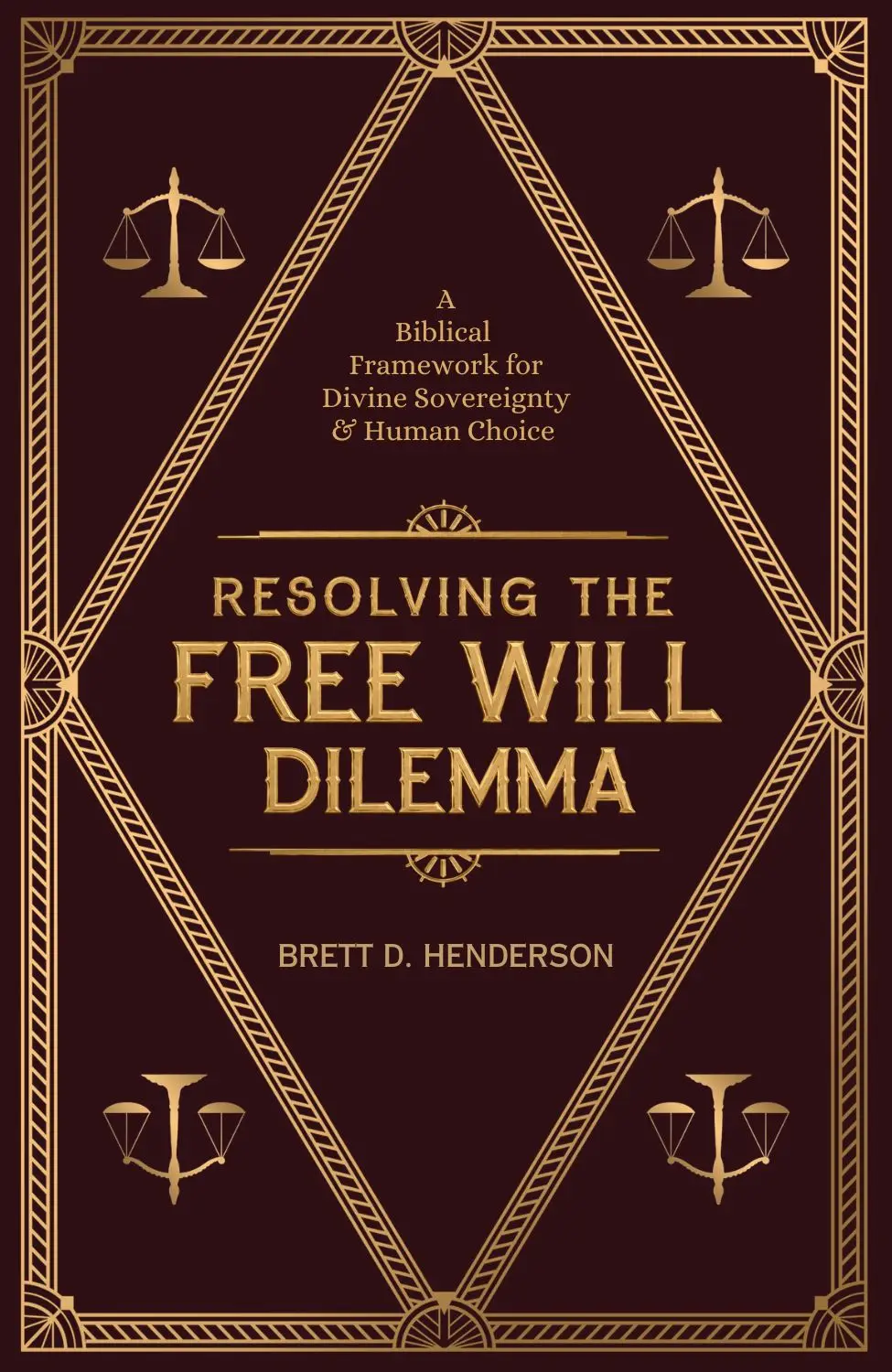
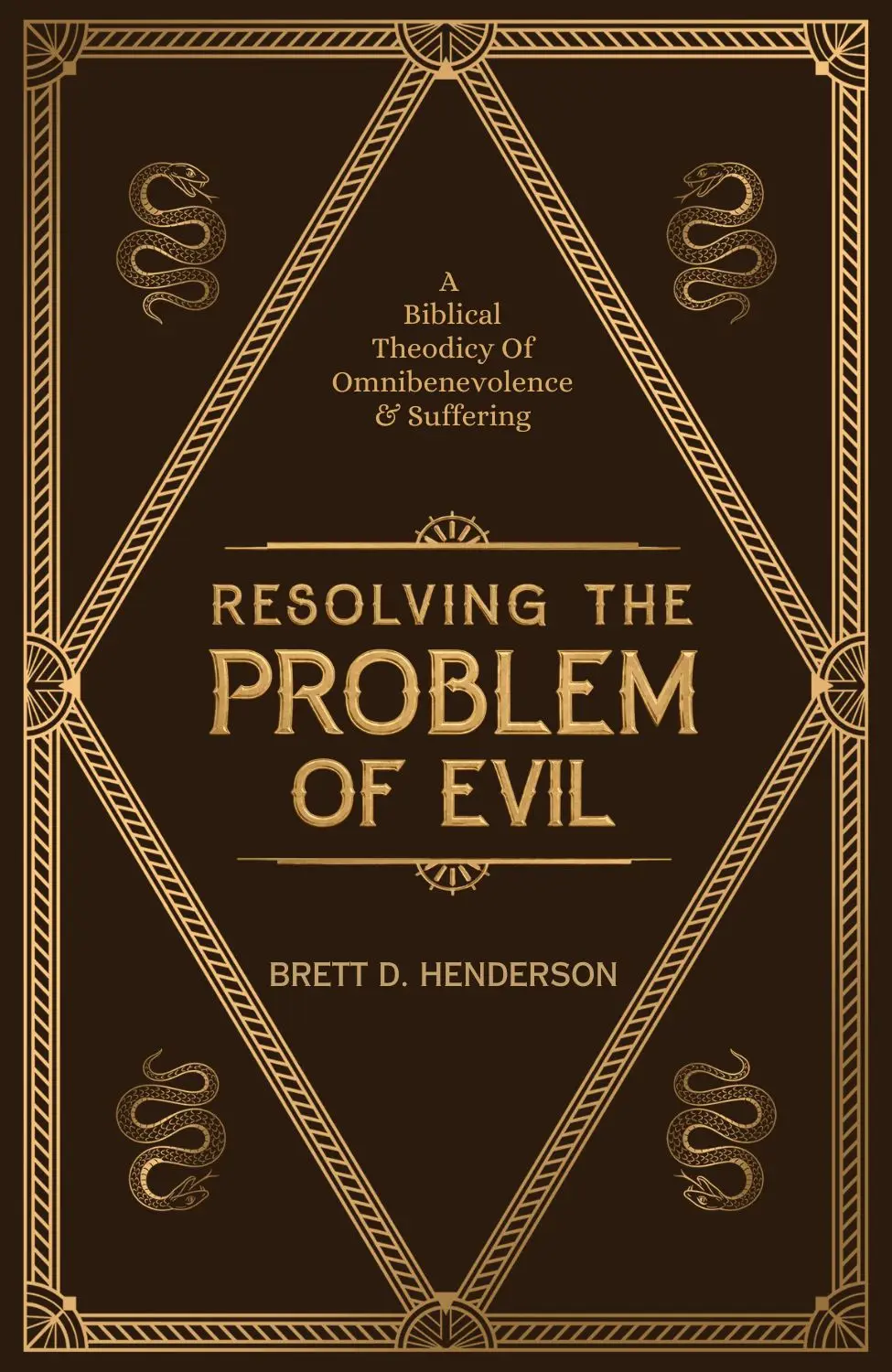
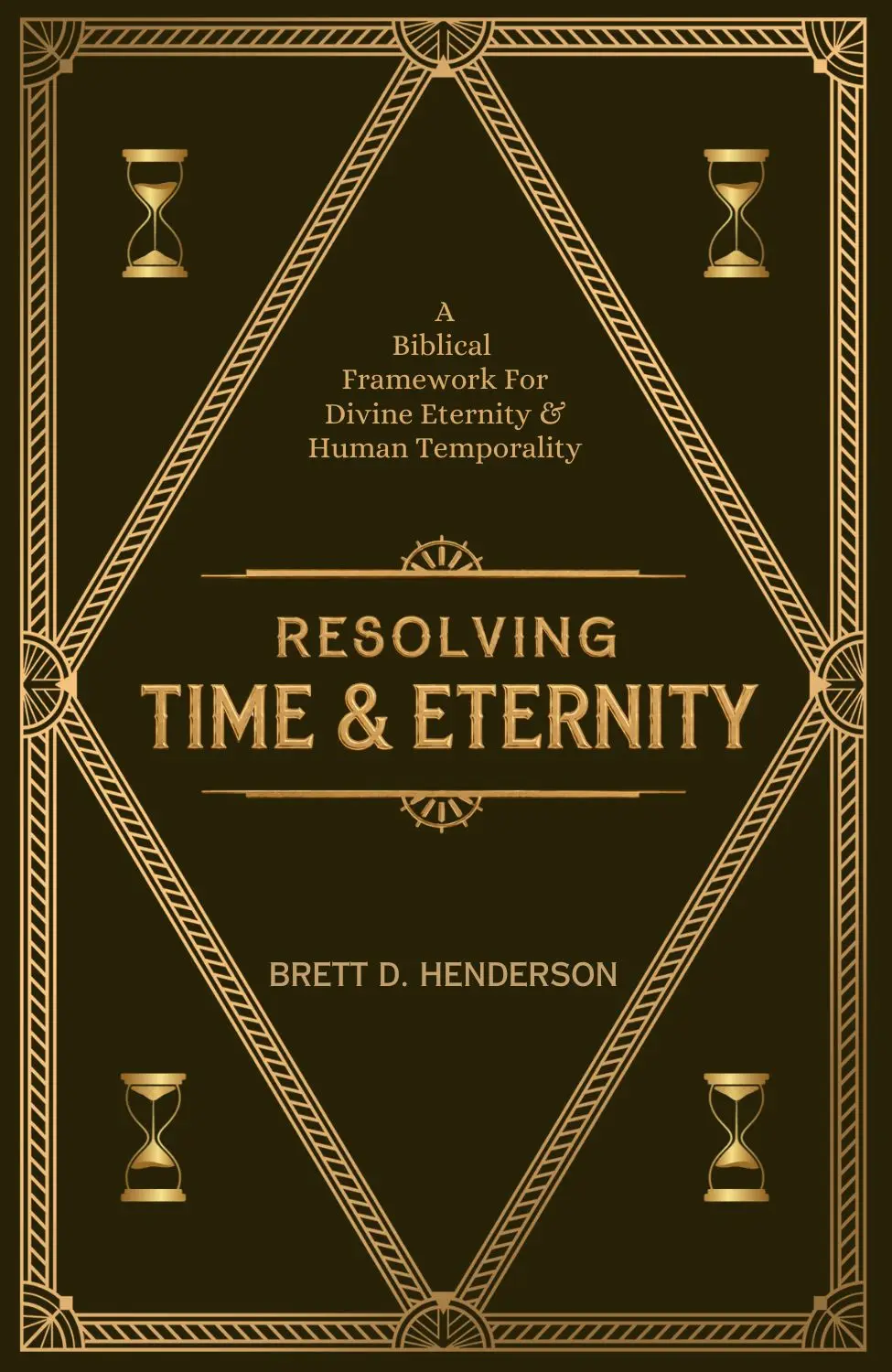
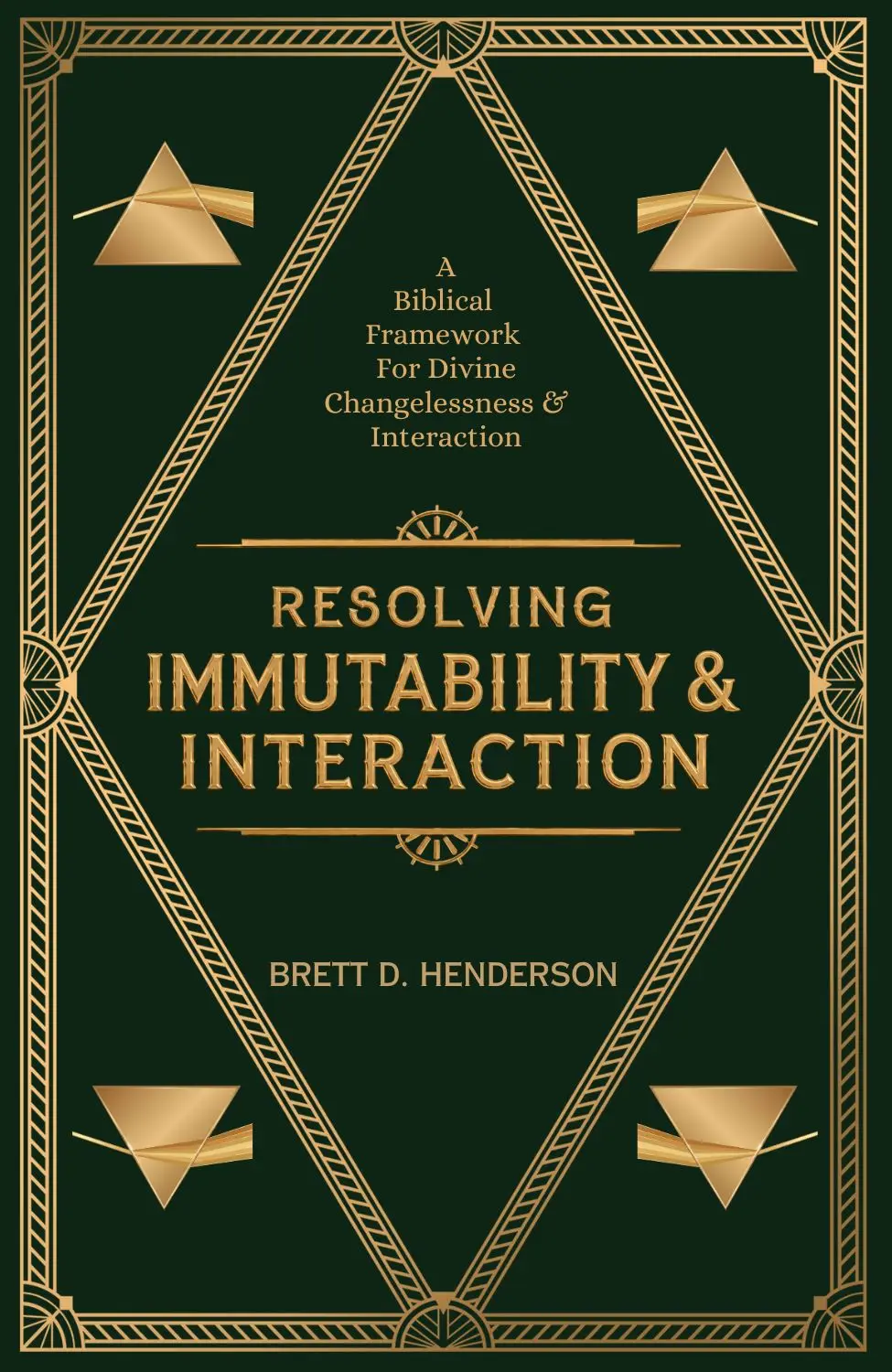
The Many Beings Framework by Brett D. Henderson was written for exactly that reader. Seven volumes, one classical dilemma each: sovereignty against free will, a good God against real suffering, eternity against time, changelessness against answered prayer. Every definition stated before it is used, every inference shown, and the strongest objection answered rather than avoided.
The argument underneath is that these dilemmas were never mysteries to be endured. They are one formal error repeated — taking a word that means something precise inside human experience and predicating it of God as though the conditions that gave it meaning came along too. Calvinism, Arminianism and Molinism have spent four centuries contesting what those words extend to. This indexes the words instead.
Four volumes are published. Volume One is free on Kindle, so you can read a chapter yourself before deciding, and Amazon carries the set on one page with a Buy the full series button if you would rather give the shelf than the single book.
For someone new to the faith
The opposite problem, and the one people get wrong in the other direction. A new believer handed six hundred pages of systematic theology will put it down in week two and quietly conclude that faith is homework.
Give something short and warm. C. S. Lewis, Mere Christianity is still the standard for a reason — it was radio talks first, so it moves. Timothy Keller, The Reason for God suits someone who arrived with real objections and wants them taken seriously rather than smoothed over.
The test for this recipient is finishability. A book they complete builds appetite; a book they abandon builds guilt.
For someone going through something hard
Grief, a diagnosis, a prayer that went unanswered, a marriage coming apart.
Choose by the specific question rather than the general category. Someone in grief is usually not looking for comfort in the abstract. They are asking whether God is good, given what has happened, and they can tell within a page whether a book is going to engage that or hurry past it.
C. S. Lewis, A Grief Observed is the classic precisely because it does not resolve tidily; it is a journal kept during the worst of it. For a reader who wants the question taken apart rather than sat with, Resolving the Problem of Evil works the logical and evidential forms through in full, including the parts most treatments leave out.
One caution worth stating plainly: timing matters more than title. A book handed over in the first fortnight of a loss is rarely read. Give it, say nothing about reading it, and let them find it in February.
For your pastor or a ministry leader
A different calculation entirely, and one worth getting right, because this recipient receives more thoughtless gifts than anyone else in the building.
He reads constantly — but every book he opens is for someone else. Sermon prep, a crisis in the congregation, a question he could not answer on the spot. He almost never opens a book with nothing expected of him at the end of it.
So the gift that lands is the one he can read as a Christian rather than as a professional: a book about God rather than about running a church. There is a full guide to that here, including what to avoid and why the leadership book reads as homework however kindly it is meant.
For a teenager or a young adult
The hardest recipient on this list, because the wrong book confirms every suspicion they already hold about Christian publishing.
Avoid anything that looks designed for them. Youth-branded devotionals with skateboard typography are read as condescension, accurately. What works is the same thing that works for adults: a book that assumes intelligence and argues honestly.
A young reader who has started asking real questions is closer to the first category on this page than to this one. If they are wrestling with whether any of it is true, give them something that treats the question as genuinely open and then answers it.
Religious Christmas gifts that are not books
Not everyone is a reader, and pretending otherwise produces a shelf of unopened spines.
- A good study Bible, if they do not have one. This is the single most-used gift on the list and the one people keep for decades.
- Something handmade with a date on it. Ornaments marking a baptism, a wedding, a first Christmas as a family. These get unpacked every December and the giver gets remembered every time.
- A donation in their name to something they already care about, with a card that says which and why.
- Time. An offer to take the children for an afternoon, or to cover a responsibility so they can rest. Costs nothing and is remembered longer than most objects.
The pattern across all four: specificity. A generic religious ornament is decor. One with a date and a reason is a record.
How to give a book so it actually gets read
Most gift books fail at the handover rather than the choosing.
Write in the front cover. Not “Merry Christmas, love from” — name the reason. I thought of you when I read chapter four. You asked me this in September and I never gave you a proper answer. A book with a sentence like that in the front gets opened, because it has already started a conversation.
Then say nothing else about it. No follow-up asking whether they have started. The moment a gift acquires an obligation it becomes a task, and tasks are what December already has too many of.
Frequently asked questions
What is a good Christian Christmas gift for someone who has everything?
Something specific rather than something expensive. A book chosen for a question they actually asked, with a note explaining why you picked it, beats anything generic at any price. The people who have everything have received a great deal of thoughtless generosity.
What Christian books make the best Christmas gifts?
It depends entirely on the reader. A new believer wants something short and warm; a reader of twenty years wants an argument they can push against. The single most common mistake is giving the first kind of book to the second kind of person.
Are religious Christmas gifts appropriate for someone who is not a churchgoer?
They can be, if the gift is chosen for the person rather than aimed at their beliefs. A book that takes a hard question seriously is a compliment to anyone’s intelligence. A gift that reads as an argument in wrapping paper rarely lands well.
How much should I spend on a Christian Christmas gift?
Less than you think. Almost every recipient on this page would rather have a well-chosen book and a real note than a larger gift chosen quickly.
Is it too late to order in December?
No. A book arriving close to Christmas is arguably better timed, because the quiet weeks afterward are when it will actually be read. If delivery is a worry, a free Kindle edition can be sent the same day.
If you are still deciding
The safest way to choose a book for someone else is to read part of it yourself first.
Volume One is free — the complete book, not a sample chapter. Twenty minutes will tell you whether it is the right register for the person you have in mind, and you will be giving it knowing rather than hoping.