Best Philosophy Books: Eight Kinds and Where to Start
The best philosophy books are not one list. Philosophy is eight or nine different conversations that happen to share a name, and a book that is perfect for one of them is useless for another. So this is sorted by kind: work out which conversation you actually want to join, then start with the book named under it.
Key takeaways
- Pick the branch before the book. Someone who wants Stoicism and someone who wants philosophy of mind need completely different shelves.
- Most of the essential works are out of copyright and cost nothing.
- A good philosophy book states its position and shows the reasoning, so you can find the exact step you disagree with.
- If you only want one starting point, skip to the last category.
1. Best Christian philosophy books
Christian philosophy asks whether the claims of classical theism hold up under formal scrutiny — whether God can be both sovereign and permit real freedom, both good and permit real suffering, both timeless and involved.
The historical canon here is unusually strong and almost entirely free. Augustine’s Confessions is the origin of the spiritual autobiography and still the most psychologically acute one. Boethius, The Consolation of Philosophy, written in a prison cell while awaiting execution, is where the tradition’s thinking about time, eternity and providence begins. Anselm’s Proslogion gives you the ontological argument in its original form, and Aquinas’s Summa Theologiae is less a book to read through than a structure to study — question, objections, reply, answers — because that structure is what honest argument looks like.
The contemporary field is dominated by survey volumes: four views, five views, a chapter each and no verdict. Alvin Plantinga and William Lane Craig are the names most often recommended, and both are worth reading, but a reader who finishes a multi-view collection often finds they have four essays talking past each other rather than a position argued through.
Free — the complete book
Get Volume One free.
The complete book, not a sample. The fastest way to test whether the framework holds.
No spam. Unsubscribe in one click.
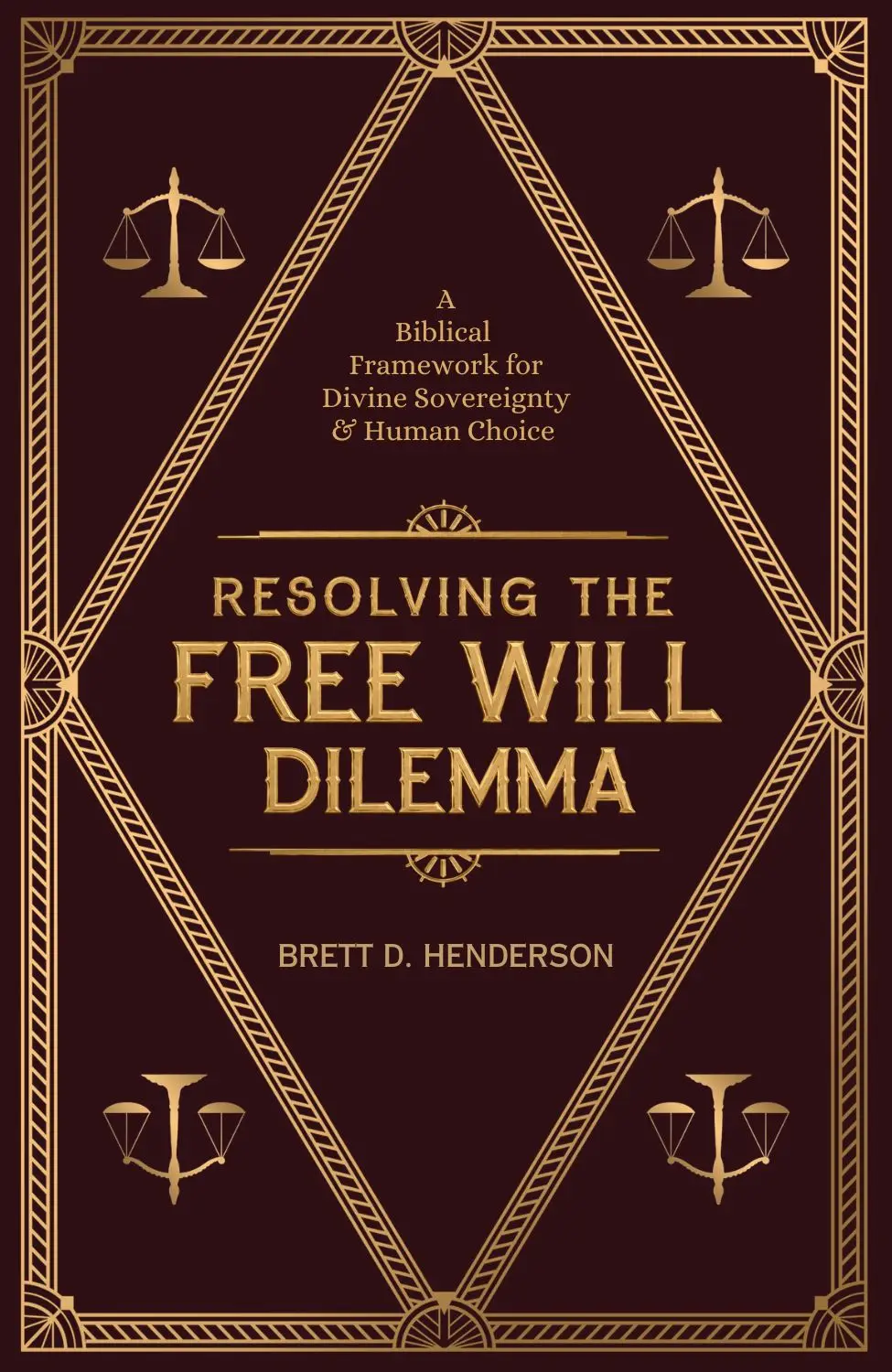
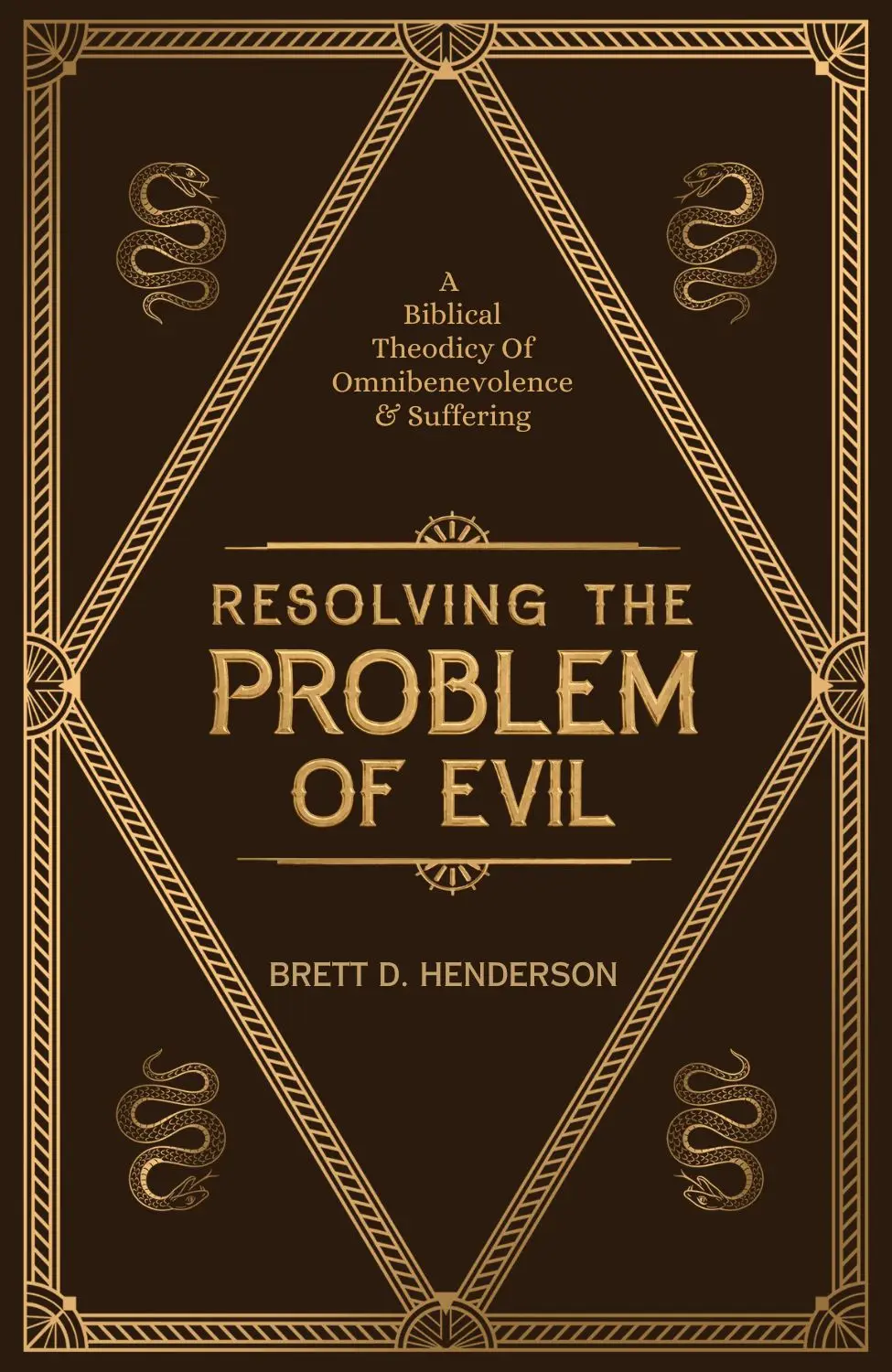
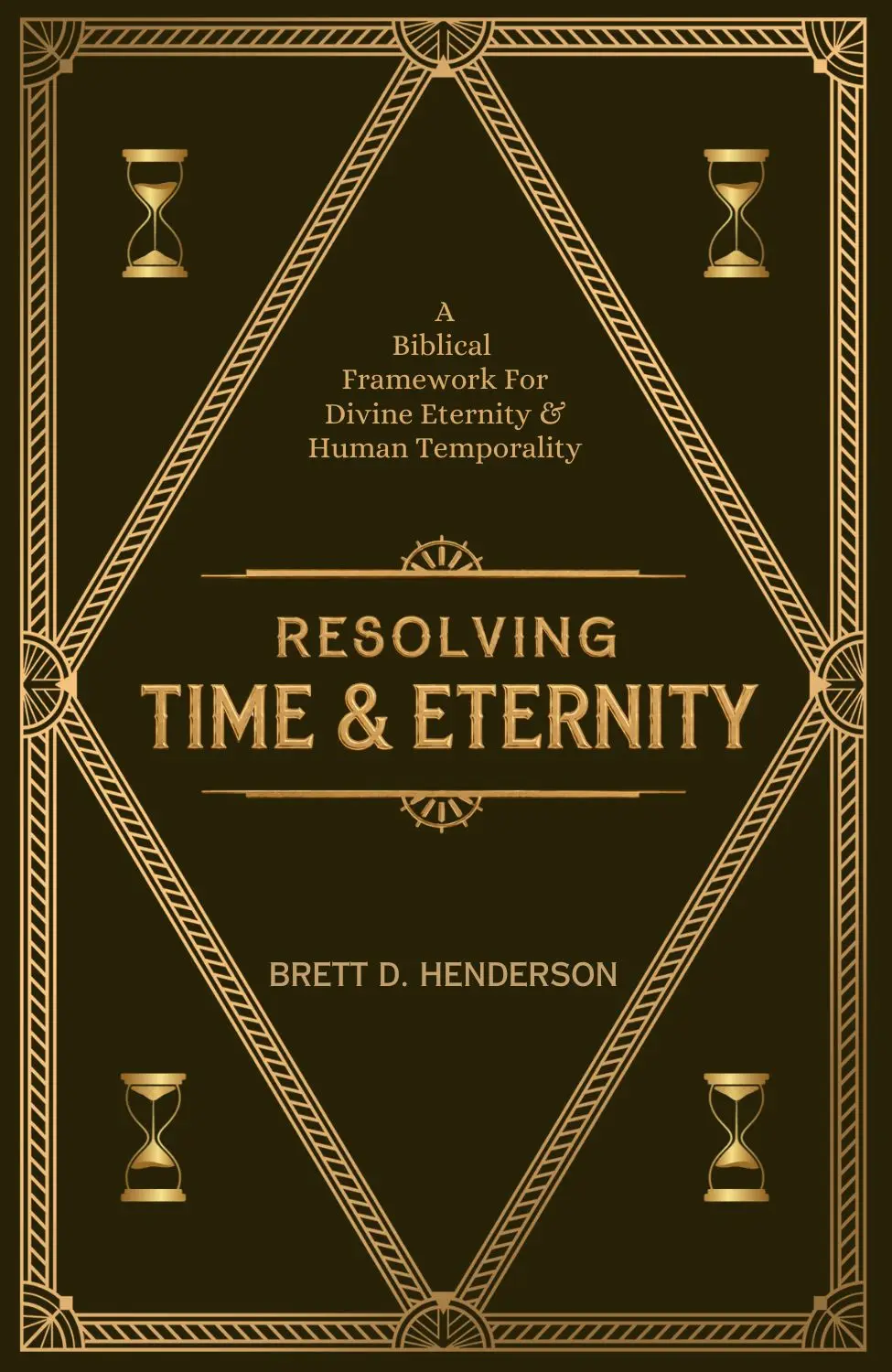
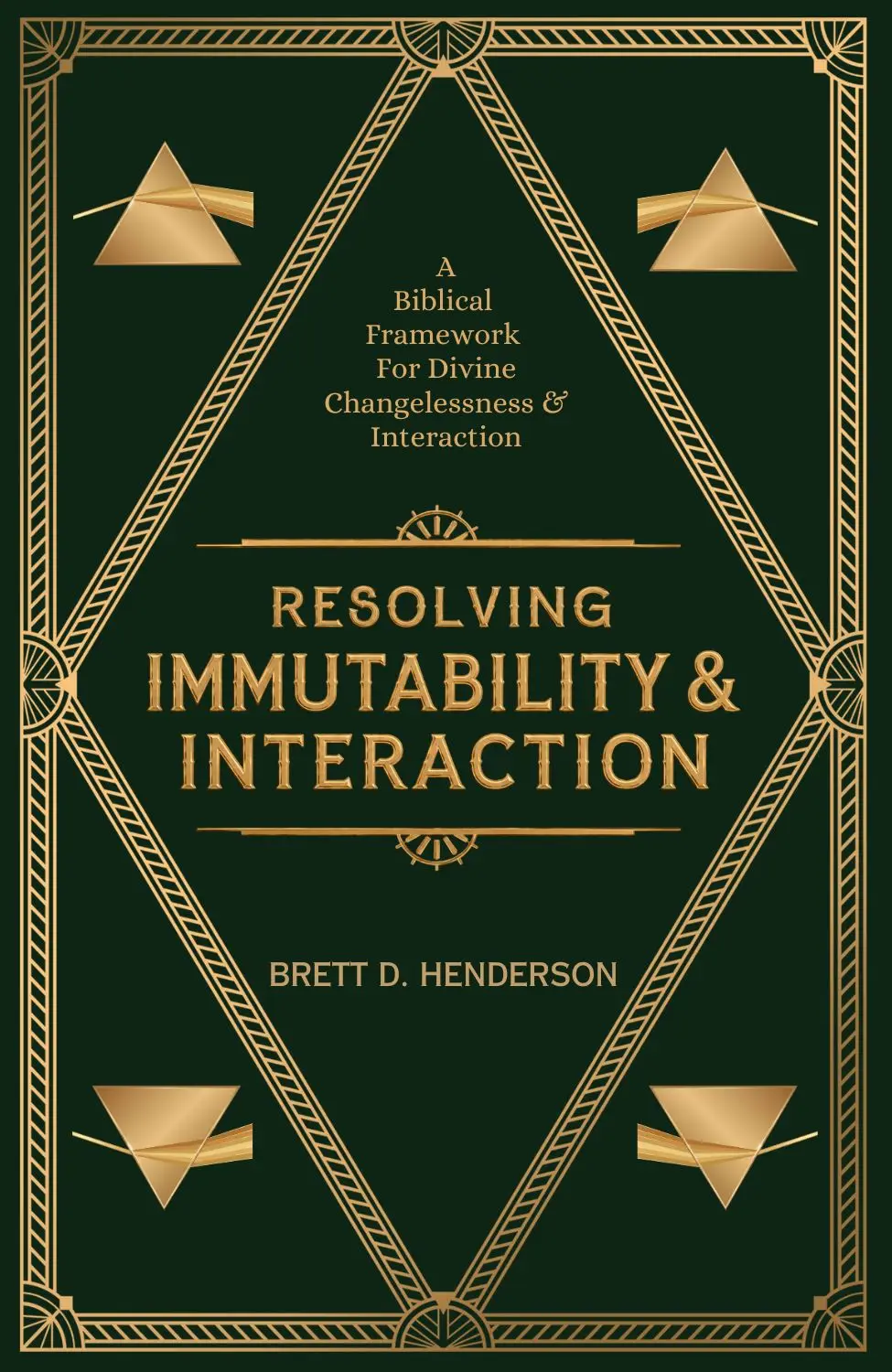
The Many Beings Framework by Brett D. Henderson was written into that gap. Seven volumes, one per classical dilemma, each stating its definitions first, showing every inference, and answering the strongest objection rather than avoiding it. The claim is that sovereignty against free will, goodness against evil, and eternity against time are not mysteries to be managed but the same formal error repeated — a term defined inside human experience and then predicated of God as though the conditions that gave it meaning came along. Calvinism, Arminianism, Molinism and open theism each contest that term’s extension; the framework indexes the term instead.
Four volumes are published. Volume One is free on Kindle, which makes it the cheapest way to find out whether this kind of argument suits you, and Amazon carries the whole set on one page with a Buy the full series button.
2. Stoicism and the ancients
The most-read branch of philosophy right now, and the easiest to start. Stoicism is practical: what is in your control, what is not, and how to live accordingly.
Marcus Aurelius, Meditations — a Roman emperor’s private notebook, never written for publication, which is exactly why it lands. Epictetus, Discourses and Enchiridion — blunter and more systematic. Seneca, Letters from a Stoic — the most readable of the three, and the closest to a friend writing to you.
Beyond the Stoics, Plato’s Last Days of Socrates collects the trial and death dialogues and is the single most entertaining entry point into ancient philosophy that exists.
3. Existentialism and meaning
For the reader asking what any of this is for. Existentialism takes the absence of an obvious answer as the starting condition rather than the conclusion.
Albert Camus, The Myth of Sisyphus — opens by declaring suicide the only serious philosophical problem and then argues its way out. Søren Kierkegaard, Fear and Trembling — a Christian existentialist on Abraham and Isaac, and genuinely unsettling. Friedrich Nietzsche, Thus Spoke Zarathustra — the most misquoted book on this page; read it before deciding what you think it says.
4. Ethics and how to live
The oldest question in the discipline, and the one with the most practical stakes.
Aristotle, Nicomachean Ethics — virtue as habit rather than rule, and still the framework most modern character ethics is built on. Immanuel Kant, Groundwork of the Metaphysics of Morals — short, difficult, and the origin of duty-based ethics. Alasdair MacIntyre, After Virtue — the twentieth century’s most influential argument that modern moral debate is incoherent because it inherited fragments of systems it no longer holds.
5. Philosophy of mind and consciousness
What a mind is, and whether anything physical can account for one.
Thomas Nagel, What Is It Like to Be a Bat? — a short paper that reframed the entire field around subjective experience. David Chalmers, The Conscious Mind — where the “hard problem” got its name and its full statement. Daniel Dennett, Consciousness Explained — the strongest case for the other side, and worth reading precisely because it disagrees with the previous two.
6. Political philosophy
Why anyone should obey anyone, and on what terms.
Thomas Hobbes, Leviathan — the state of nature and the case for authority, written during a civil war. John Stuart Mill, On Liberty — the harm principle, still the reference point for every free-speech argument. John Rawls, A Theory of Justice — the veil of ignorance, and the most important political philosophy of the last century.
7. Knowledge, science and what counts as proof
Epistemology asks how you know anything at all. Philosophy of science asks the same question of the most successful knowledge-producing method humans have.
René Descartes, Meditations on First Philosophy — doubt everything, then see what survives. David Hume, An Enquiry Concerning Human Understanding — the problem of induction, which nobody has fully answered. Thomas Kuhn, The Structure of Scientific Revolutions — where the phrase “paradigm shift” came from, and a far stranger book than its popular reputation suggests.
8. Where to start if you have read none of it
If the previous seven categories felt like being handed a reading list in a language you do not speak, start here instead.
Thomas Nagel, What Does It All Mean? — roughly a hundred pages, covers free will, right and wrong, death and meaning in plain language, and condescends to nobody. Bertrand Russell, The Problems of Philosophy — a century old and still the clearest short survey. Jostein Gaarder, Sophie’s World — the history of Western philosophy smuggled inside a novel, and the reason a great many people got interested at all.
Read one of those, notice which chapter you argued with, and go to the category above that matches it.
Philosophy gifts, and how to choose one
Philosophy books make unusually good gifts, because they are the kind of thing people want to own and rarely buy for themselves. Three rules make the choice much easier.
- Give by branch, not by reputation. A reader who wants Stoicism will not thank you for Kant. Work out which of the eight conversations they are actually in.
- Avoid the anthology. A 900-page survey of Western philosophy signals effort rather than thought, and almost nobody finishes one.
- Pick something with a position. A book that argues for something is far more enjoyable to disagree with than a book that summarises everything and commits to nothing.
For a Christian reader in particular, the gap is usually not introductory material — it is a book that takes one hard question and works it all the way through. That is what the series above was built to be.
Frequently asked questions
What is the best philosophy book to start with?
Thomas Nagel’s What Does It All Mean? for a complete beginner — it is short, plain and covers the main questions honestly. If you want something with more weight immediately, Marcus Aurelius’s Meditations requires no background at all and can be opened anywhere.
What are the best Christian philosophy books?
Augustine’s Confessions and Boethius’s Consolation of Philosophy are the essential classics, and both are free. For contemporary work that argues a position through rather than surveying several, The Many Beings Framework takes one classical dilemma per volume, with Volume One free on Kindle.
Do I need to read philosophy in chronological order?
No, and trying usually stalls people in the Presocratics. Start with the branch you are actually curious about and follow the arguments backward as you meet them.
Are older philosophy books still worth reading?
Often more so. Plato, Aristotle, Augustine and Aquinas are still in print because the questions have not changed, and being out of copyright means the cost of trying them is nothing.
What makes a philosophy book good rather than just famous?
It names the strongest objection to its own case and answers it. A book that sets up a weak version of the opposing view to knock down is telling you it is not confident in the strong one.
One way to test whether this is for you
Reading lists are cheap. The only real test is whether an argument holds you past the first chapter.
Volume One of The Many Beings Framework is free — the complete book, not a sample. Twenty minutes will tell you whether careful argument is something you enjoy or something you would rather read about than read.
Related reading
- What Pastor Appreciation Is, and What It Asks of Us
- Christian Christmas Gifts
- Best Christian Books for Readers Who Want the Argument
- A Pastor’s Christmas Gift
- Pastor Appreciation Month
- Gifts for Pastors
Every essay here works out one idea from Frame-Indexed Classical Theism.