Best Christian Books for Readers Who Want the Argument
The best Christian books for a serious reader are the ones that state a position, show the reasoning, and stay with a hard question until something is genuinely resolved. Most recommendation lists point at bestsellers and devotionals, which suit a different reader. This one is for the person who has read those and came away wanting the argument itself.
Key takeaways
- A good recommendation depends on which reader you are. The books that suit someone new to faith rarely suit someone fifteen years in.
- Look for books that name the strongest objection to their own case and answer it, rather than avoiding it.
- The classic works are classics for a reason, and most of them are free.
- If you want one test: does the book still respect you on page two hundred?
Why most “best Christian books” lists disappoint
Open almost any list and you will meet the same twenty titles. Some are genuinely great. Most are chosen because they sold well, and selling well is a measure of reach rather than depth.
The deeper problem is that these lists rarely say who the book is for.
A brilliant introduction to Christian faith is the wrong gift for someone who has been teaching Sunday school for a decade. A dense work of philosophical theology is the wrong first book for someone who came to faith last spring. Both get recommended in the same paragraph, and readers bounce off the mismatch and conclude they do not like reading.
Free — the complete book
Get Volume One free.
The complete book, not a sample. The fastest way to test whether the framework holds.
No spam. Unsubscribe in one click.
So the useful question is not what are the best Christian books. It is what are the best Christian books for the reader in front of you.
That is easier to answer than it sounds.
The four kinds of Christian reader
Almost everyone asking for a recommendation is one of these.
The new believer. Wants the shape of the thing. Needs warmth, clarity and a short book, because a long one will sit unfinished and become evidence that faith is hard work.
The steady churchgoer. Ten or twenty years in, faithful, and slightly bored. Has heard every sermon illustration twice. Wants something that goes deeper than the Sunday material without requiring Greek.
The reader with a specific wound. Grief, doubt, a prayer that went unanswered, a diagnosis. Wants one question addressed honestly and does not care about anything else in the book.
The reader who wants the argument. Follows the debates, has read the popular treatments, and has noticed they tend to state conclusions without showing the reasoning. This reader is underserved by almost every recommendation list, and is the one this page is written for.
Knowing which one you are changes everything about what to pick. Then the choosing gets simple.
Start with the classics, because they are free
Before buying anything, know that a great deal of the best Christian writing is out of copyright and costs nothing.
Augustine’s Confessions is the origin of the spiritual autobiography and still the most psychologically acute one. Roughly sixteen hundred years old and it reads like someone describing your own week.
Boethius, The Consolation of Philosophy, written in prison while awaiting execution, is where much of the Christian tradition’s thinking about time, eternity and providence begins.
Aquinas’s Summa Theologiae is not a book to read cover to cover. It is a book to look things up in. The structure — question, objections, reply, answers to the objections — is itself worth studying, because it is what honest argument looks like.
None of these will cost you anything, and any one of them will outclass most of what is on the front table of a Christian bookshop.
What separates a book worth keeping
Four things, and the fourth is the one most lists never mention.
It names its opponents fairly. A book that describes the opposing view accurately, at its strongest, before disagreeing with it is a book you can trust. A book that sets up a weak version to knock down is telling you it is not confident.
It shows the reasoning. Not just what to conclude, but why — the steps, in order, so you can find the one you disagree with. That is what makes disagreement productive rather than tribal.
It stays in the hard place. Plenty of books raise a genuine difficulty and then hurry past it with a verse and a warm sentence. You will feel the hurry. The books worth keeping slow down exactly where the others speed up.
It respects you on page two hundred. Many books are excellent for fifty pages and then start repeating themselves because the idea ran out. A book that is still teaching you something in the last third is a rare and good thing.
Those four tests will sort a shelf faster than any list will. Apply them to anything here.
Books that take one hard question all the way
If you are the fourth kind of reader, the shortage is specific: books that pick a single classical dilemma and work it through completely instead of surveying the options and leaving you to choose.
Brett D. Henderson’s Many Beings Framework is built on that plan — one volume per dilemma, definitions stated first, the inference shown at every step, and the strongest objection answered rather than avoided. Four volumes are published.
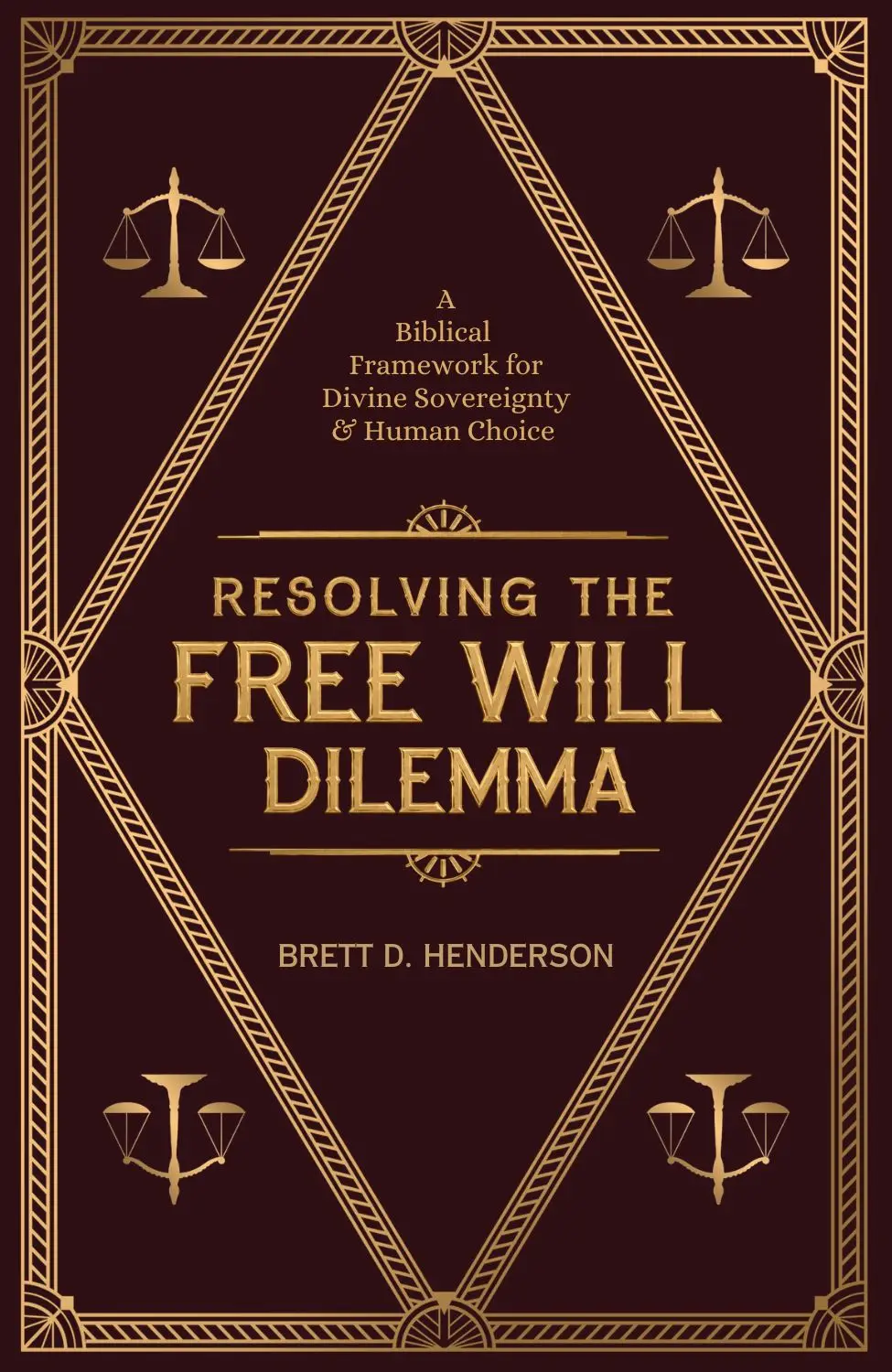
Resolving the Free Will Dilemma — divine sovereignty and human freedom, and why Calvinism and Arminianism have argued past each other for four centuries. Free on Kindle, which makes it the sensible place to test whether this style of writing suits you.
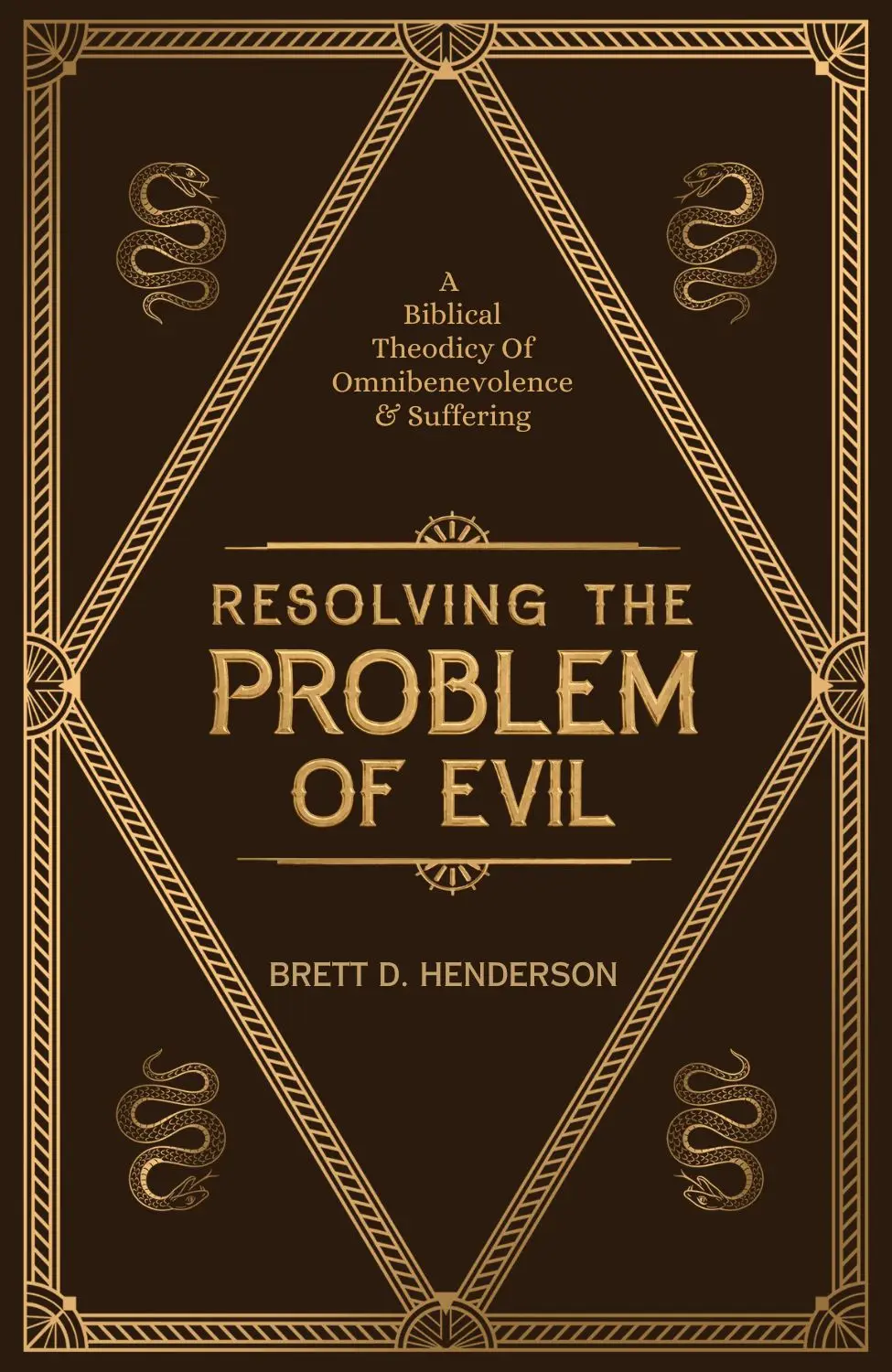
Resolving the Problem of Evil — the strongest objection to Christian faith, taken at full strength. Twenty-six chapters, including the parts most treatments leave out.
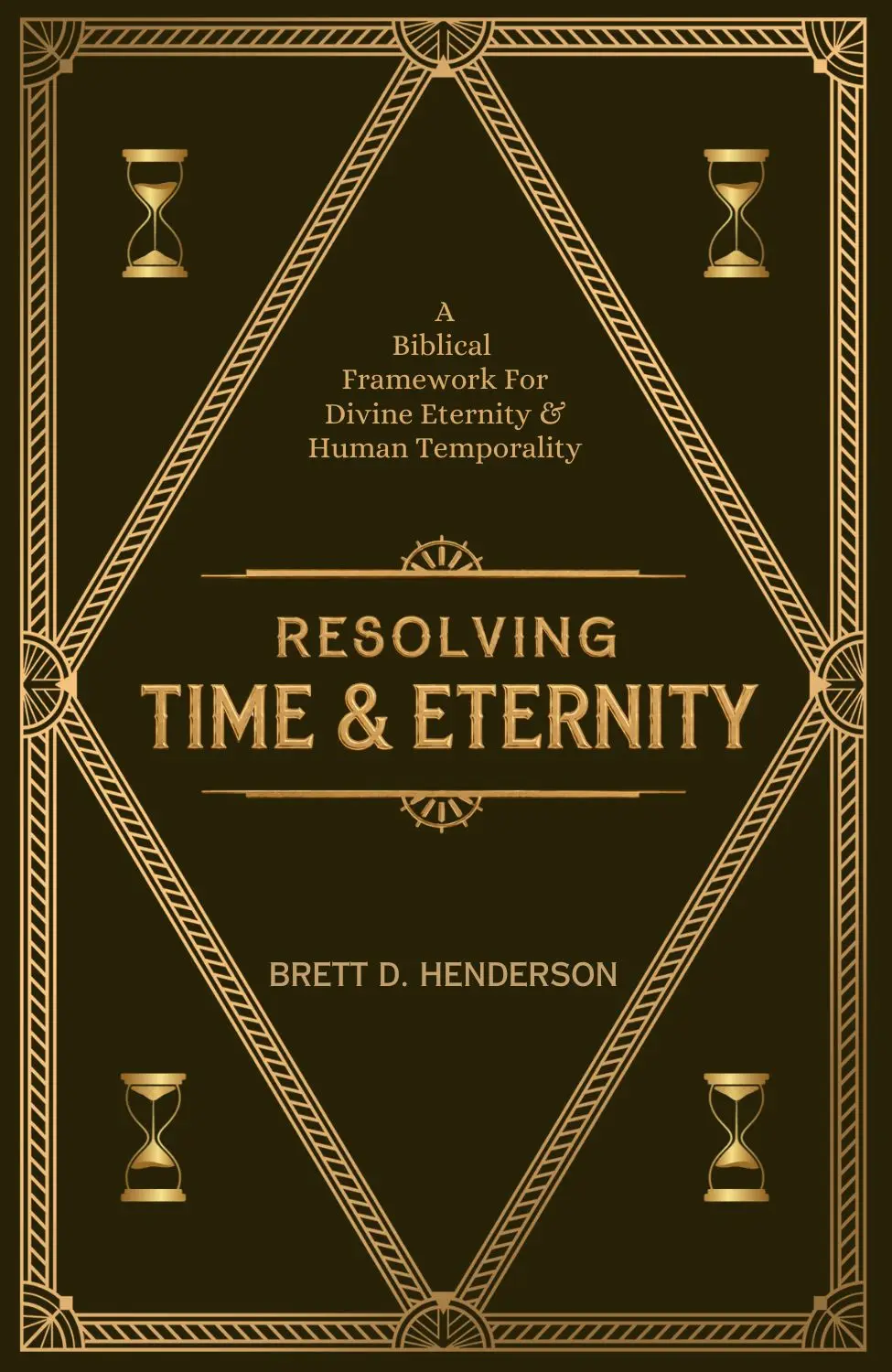
Resolving Time and Eternity — what it means to call God eternal, and what follows for prayer, prophecy and foreknowledge. The most technical of the four.
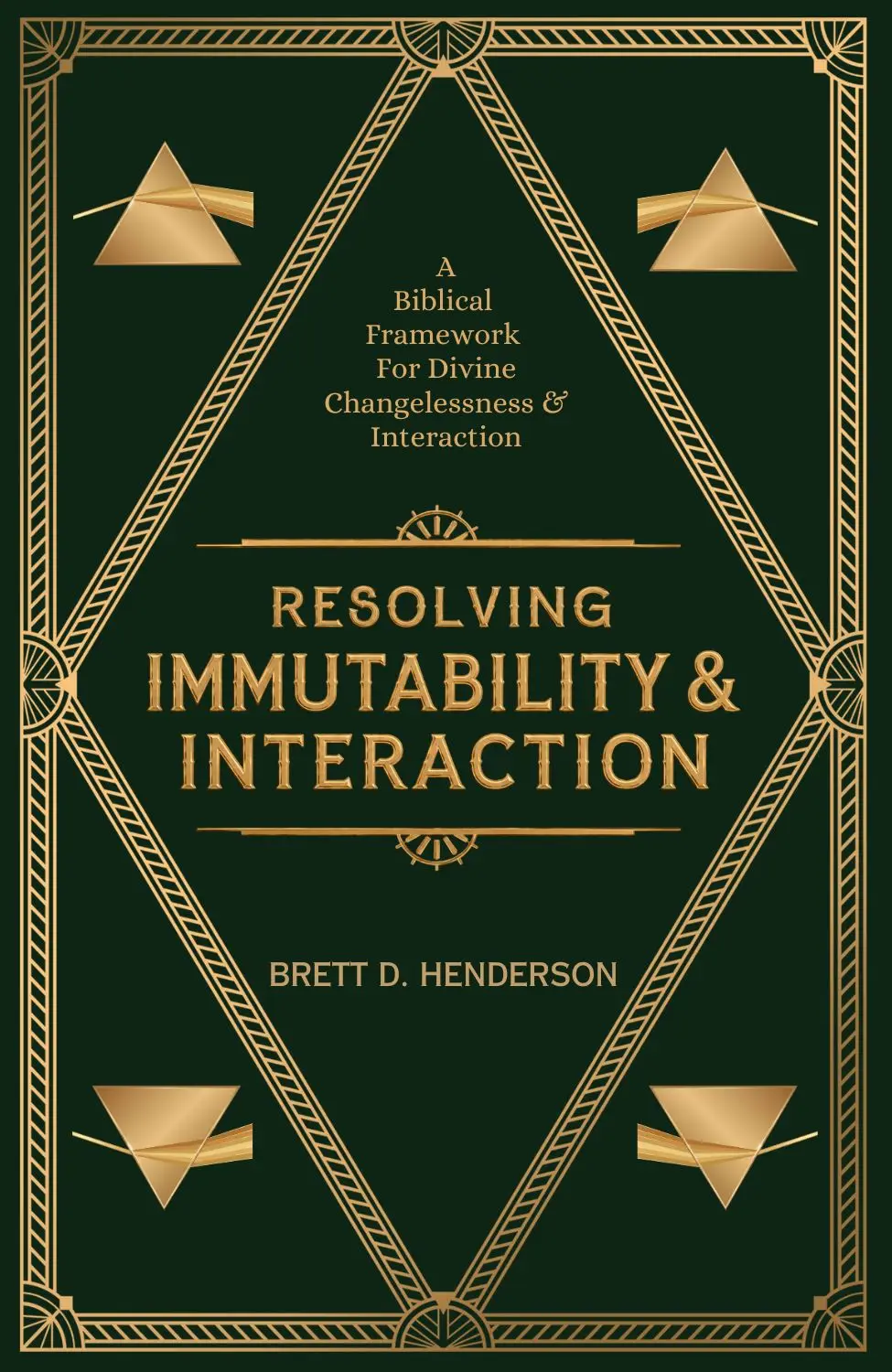
Resolving Immutability and Interaction — if God does not change, how can prayer move him? New in paperback.
Each reads on its own. Together they are one argument applied four times. See how they fit.
How to choose for someone else
Buying for another reader is harder, because you are guessing at their shelf.
Three rules make it much easier:
- Pick by question, not by topic. “A book about suffering” is a category. “A book about whether God is good when a child dies” is a question, and a question is what people actually want answered.
- Avoid the obvious bestsellers. If you have heard of it, they probably own it. The gift value is in the book they would not have found.
- Include a note saying why you chose it. One line about why this book and this person turns a guess into a gesture.
If you are buying for a pastor specifically, the calculus shifts again — he reads for other people all year and rarely for himself. There is a separate guide to that.
Frequently asked questions
What are the best Christian books to start with?
For a new believer, start short and warm rather than long and comprehensive. For a reader who already knows the basics and wants depth, start with a book that takes one specific question and works it through completely — the sense of an argument actually finishing is what most readers are missing.
What Christian books should every Christian read?
The honest answer is that there is no universal list beyond Scripture itself. The classics are close — Augustine’s Confessions is the most widely valuable, and it is free. Beyond that, the right book depends on which of the four reader types you are.
Are older Christian books still worth reading?
Yes, and often more so. Augustine, Boethius and Aquinas are still in print sixteen hundred, fifteen hundred and seven hundred years on because the questions have not changed. They are also out of copyright, so cost is not a reason to skip them.
How do I find Christian books that are not just devotionals?
Look for a stated thesis and named opponents. A book that tells you on the back cover what it argues, and who it argues against, is a book with a position. Devotional writing is valuable but it is a different genre with different aims.
What is a good Christian book for someone going through a hard time?
Choose by the specific question rather than the general category. Someone in grief is usually not looking for comfort in the abstract; they are asking whether God is good, given what has happened. A book that takes that question seriously will do more than one that offers reassurance without engaging it.
One way to test any of this
Reading advice is cheap. The test is whether a book holds you past the first chapter.
Volume One is free. Read twenty minutes of it. If it is the kind of writing you have been looking for, you will know quickly — and if it is not, you have lost nothing but twenty minutes and gained a clearer idea of what you actually want from a Christian book.
Related reading
- What Pastor Appreciation Is, and What It Asks of Us
- Clergy Appreciation Month
- Christian Christmas Gifts
- Best Philosophy Books
- A Pastor’s Christmas Gift
- Pastor Appreciation Month
Every essay here works out one idea from Frame-Indexed Classical Theism.