One line · for the intro
Brett D. Henderson is the author of The Many Beings Framework, a seven-volume research programme arguing that the Church’s oldest dilemmas are formal errors rather than mysteries.
Podcast & media kit
Brett D. Henderson argues that sovereignty versus free will and the problem of evil are not mysteries. They are one formal error, made repeatedly. It is a strong claim, it is defended in formal notation, and it makes for an episode where the host can push and the guest gets better under pressure.
Why this conversation lands right now
Two-thirds of self-identified Christians say they have questioned what they believe about God or their religion: 65%, with a quarter of them in the middle of it right now (Barna, 2017). Those listeners reward shows that take a claim seriously enough to attack it. This framework gives a host something specific to attack: that Calvinism, Arminianism and Molinism reconcile at the foundational level, and that the problem of evil is formally dissolvable.
Four episodes that work
The one error sitting underneath five classical dilemmas, stated plainly enough for a general audience.
How both sides can be right within their own frame, and what that does to a five-hundred-year-old fight.
Human suffering is the reason Christians most often give for doubting what they believe (Barna, 2024). The argument here is that it is a malformed question rather than a hard one.
Why showing the inferences invites refutation instead of hiding behind mystery.
Press assets
Bios written to be read cold, cover art at full resolution, and review copies on request. If something you need is not here, ask and it will be sent the same day.
One line · for the intro
Brett D. Henderson is the author of The Many Beings Framework, a seven-volume research programme arguing that the Church’s oldest dilemmas are formal errors rather than mysteries.
Short · for show notes
Brett D. Henderson writes analytic philosophical theology. His seven-volume series The Many Beings Framework argues that the classical dilemmas (sovereignty against free will, a good God against a world of suffering, eternity against time) are not mysteries but artifacts of one repeated mistake: taking a term defined inside the human mode of existence and applying it univocally to God. He also writes The Shepherd’s Path, a seven-book series on church leadership.
Full · for a press page
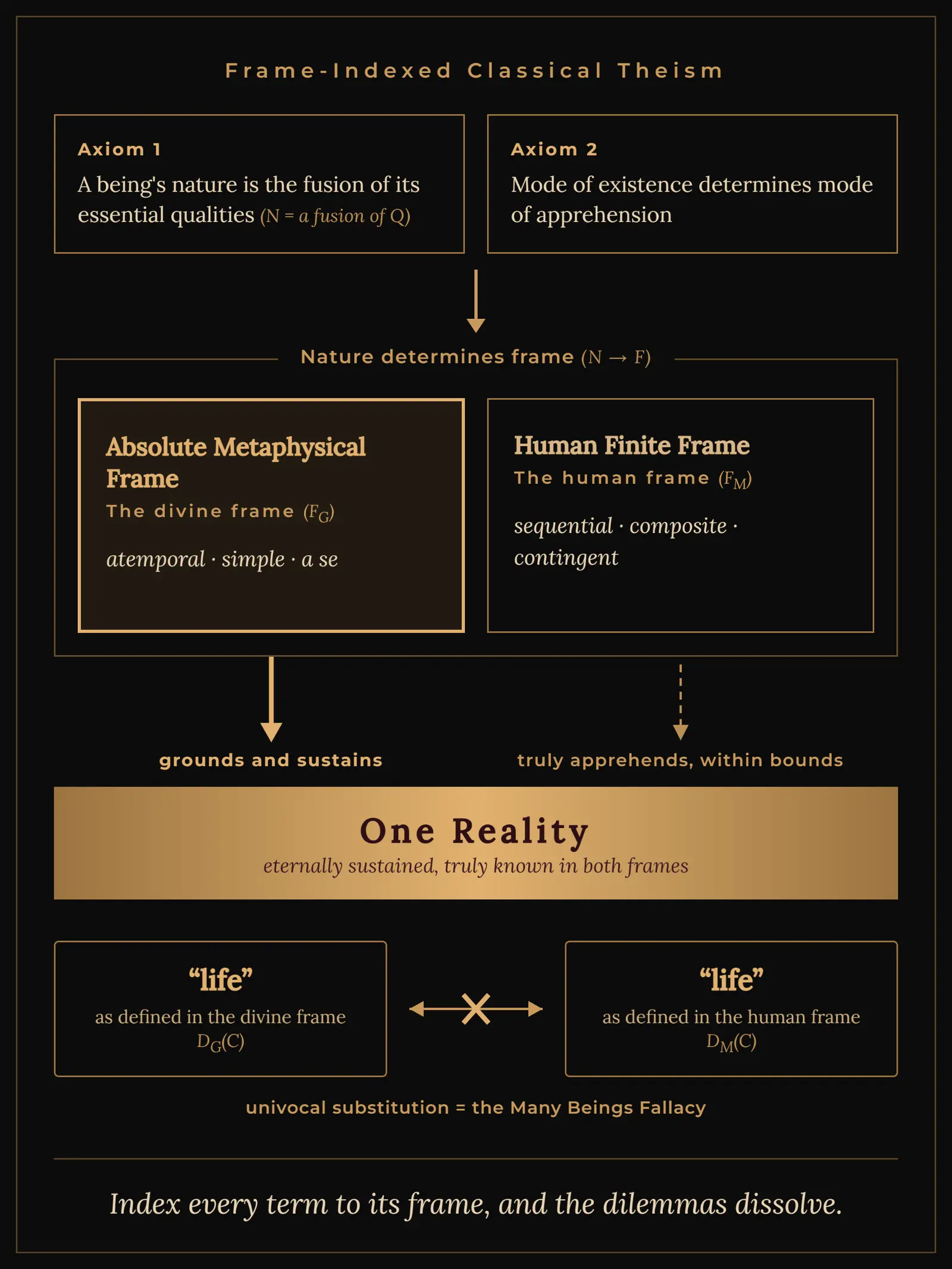
Brett D. Henderson is the author of The Many Beings Framework, a seven-volume research programme in analytic philosophical theology that formalises Thomistic analogy, Boethian eternity and the Reformed archetypal/ectypal distinction into a single system with stated discipline rules. He calls the error the framework names the Many Beings Fallacy, and the position it defends Frame-Indexed Classical Theism. Each volume takes one classical dilemma, states its definitions, shows its inferences, and engages the tradition at full strength. That is a deliberate choice, on the grounds that a framework which cannot be attacked precisely cannot be trusted precisely. Volumes One through Three are available now, with Volume One free on Kindle. He also writes The Shepherd’s Path, a seven-book series on church leadership for pastors who want to steward the natural gifts as seriously as they pray for the miraculous.
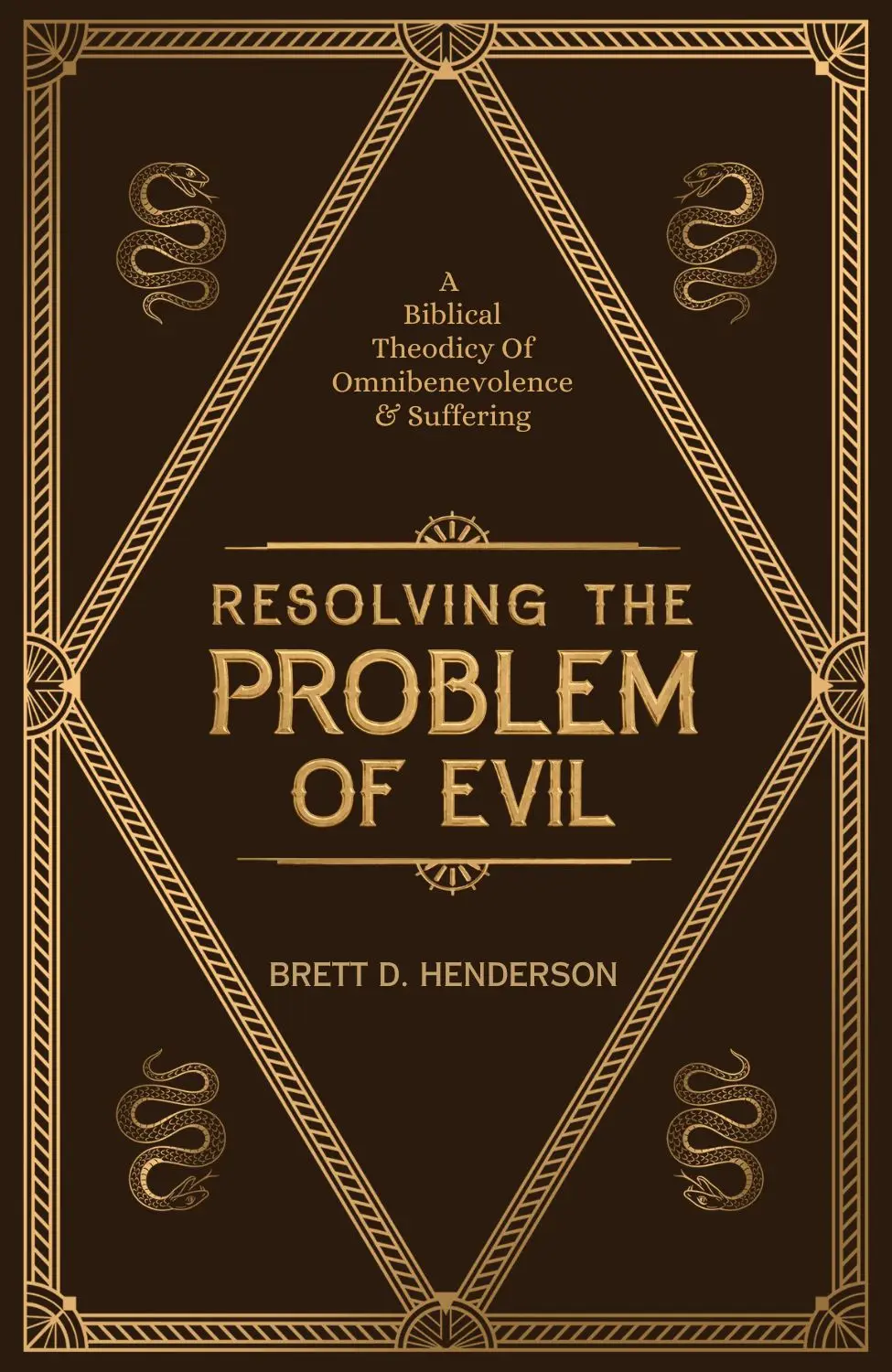
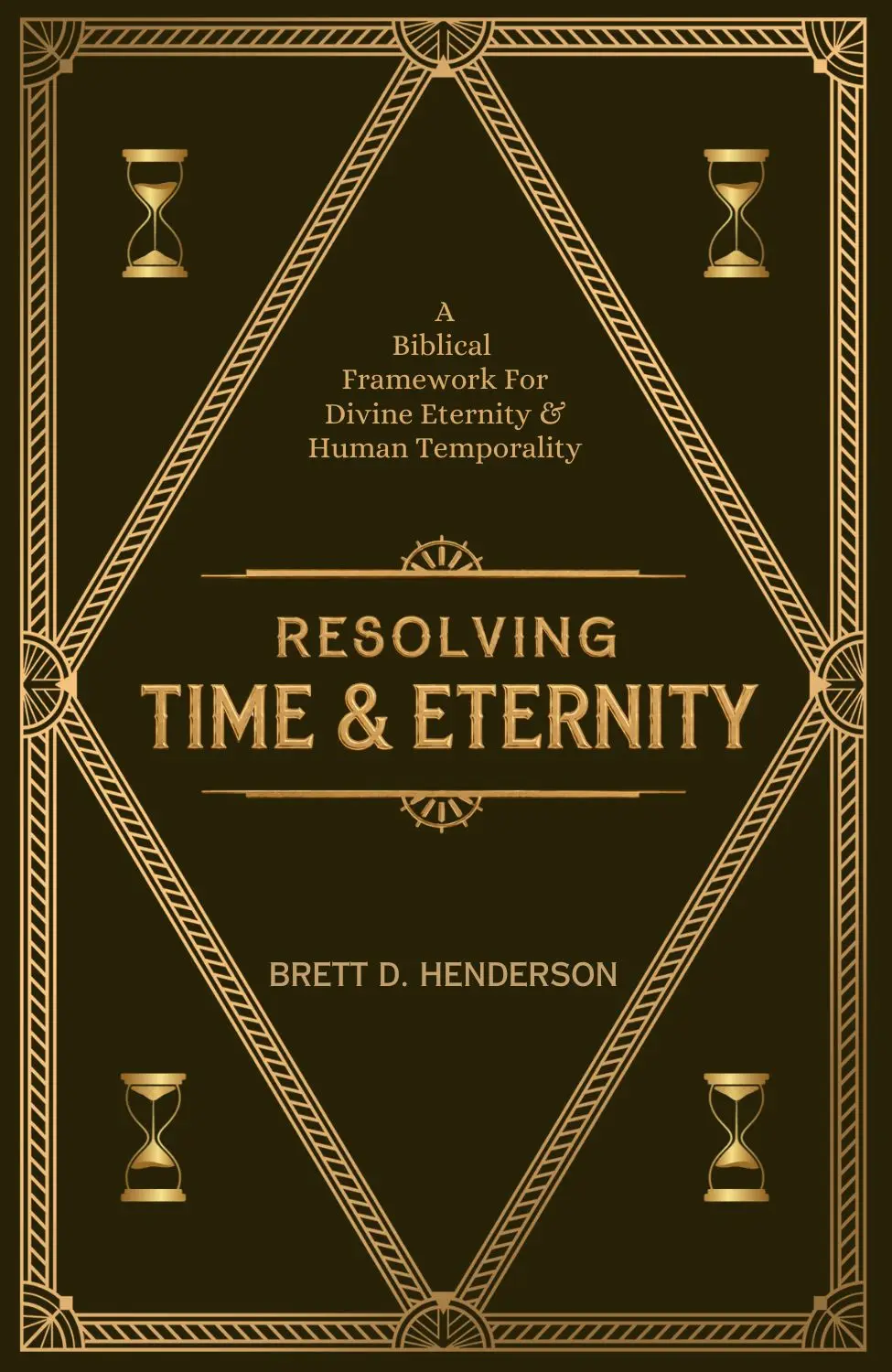
Cover art and the diagram may be used freely in episode artwork, show notes and articles about the books. No permission needed, and no attribution required beyond the title.
Sample questions
Read these cold if you like. The last three are the ones that could sink the framework, and they are the ones that make the best listening.
Bio
Brett D. Henderson is the author of The Many Beings Framework, a seven-volume research programme in analytic philosophical theology. His work formalises Thomistic analogy, Boethian eternity and the Reformed archetypal / ectypal distinction into a single system with stated discipline rules that make violations detectable.
He argues that the Church’s oldest dilemmas are neither mysteries nor contradictions, but instances of one formal mistake committed so consistently it went unnamed: the Many Beings Fallacy. The books are published in formal notation for peer scrutiny.
He also writes The Shepherd’s Path, a seven-book series on church leadership.
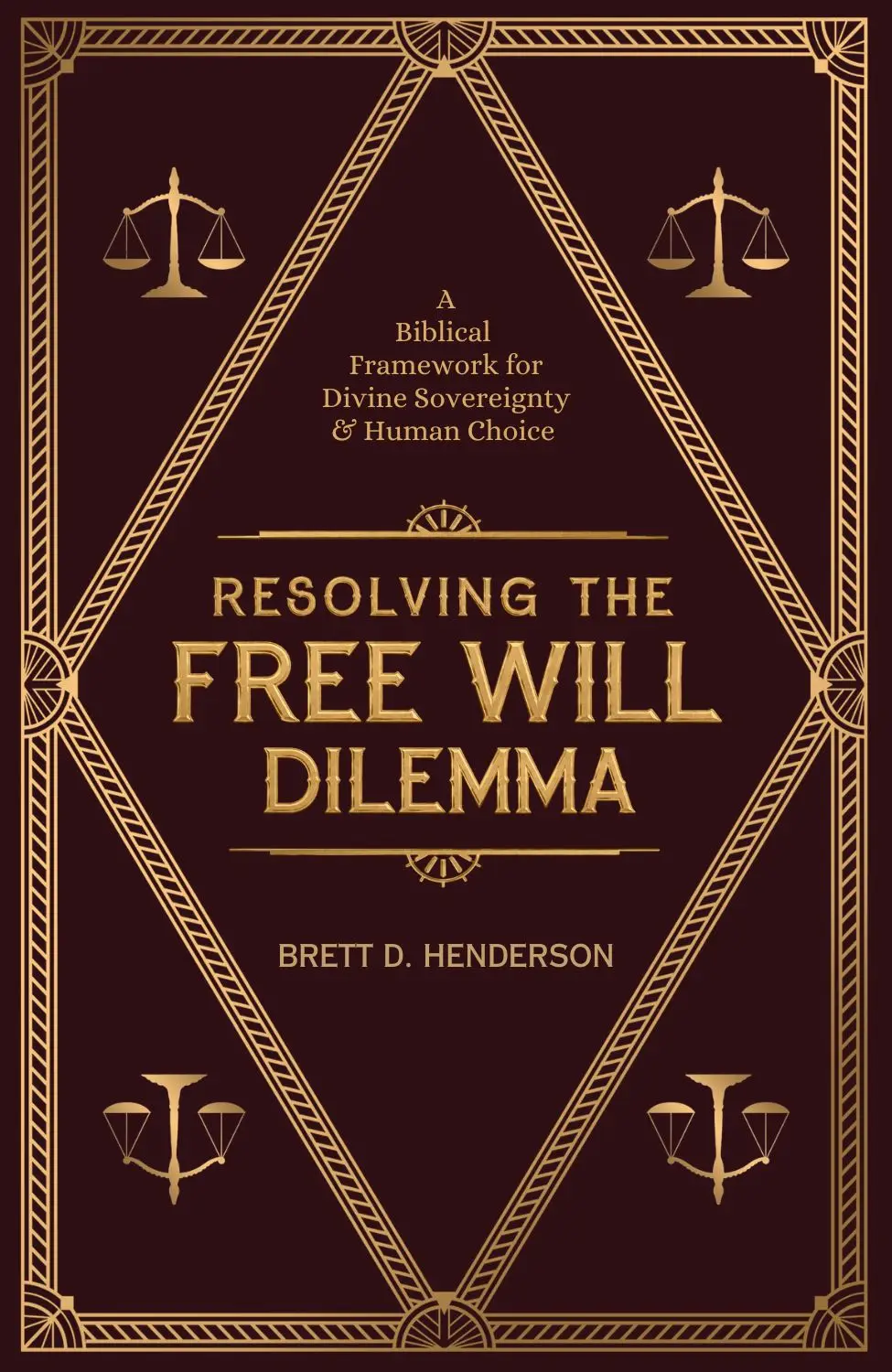
Free — the complete book
The complete book, free — enough to build an interview from without reading four volumes first. Review copies of any other title go out to hosts and producers on request.
No spam. Unsubscribe in one click.
Resolving the Free Will Dilemma — the complete book, not a sample. Calvinism, Arminianism and Molinism reconciled at the foundational level.
No spam. Unsubscribe in one click.