The Sovereignty of God: What It Means in Each View
The Sovereignty of God: What It Means in Each View
The sovereignty of God is His rightful rule over everything He has made: the authority to govern all of creation and the power to accomplish whatever He purposes. Every Christian tradition confesses it, from Augustine and Aquinas to Calvin and Wesley. The traditions divide over how far God's control reaches into each event, and over how that control relates to human choice, to evil and to prayer. Below are the key texts, each major view at its strongest beside its best critics, and the place where the Many Beings Framework lands: a sovereignty that reaches every event and a human freedom that is real.
Key takeaways
- Sovereignty joins authority and control. God has the right to rule all things and the power to bring His purposes to pass.
- Scripture places nations, choices and chance under God's rule. Psalm 115:3, Ephesians 1:11 and Proverbs 16:33 set the scope.
- The traditions agree on authority and divide on control. Reformed, Thomist, Molinist, Arminian and open theist accounts each protect a real truth and pay for it somewhere else.
- Frame-Indexed Classical Theism holds exhaustive sovereignty and real freedom together. Where the Reformed give freedom a compatibilist sense and open theism leaves the future partly open, it holds that "sovereign" and "free" are said analogically of God and of us, so both stand.
What does the sovereignty of God mean?
Sovereignty is supreme authority, the standing of a ruler who answers to no higher power. Said of God, it names the right by which He rules and the power by which that rule is carried out. Wikipedia's entry gives a serviceable working definition: the sovereignty of God is "the right of God to exercise his ruling power over his creation." To say God is sovereign is to say that every creature stands within His jurisdiction and that His purposes will stand.
Two ideas travel together in the word. The first is authority, God's right to command, judge and dispose of what He has made. The second is control, His actual governing of what happens in the world. On authority Christians agree. Catholic, Orthodox, Reformed, Arminian and Pentecostal believers alike confess that God is Lord of heaven and earth. The dispute is about control: whether God determines each event down to the smallest detail, or governs a world in which some outcomes are left to the free choices of His creatures.
A neighboring doctrine sits close to this one. Providence is God's ongoing care and governance of creation through time. Wikipedia notes that Calvinists treat the exercise of God's ruling power as part of sovereignty itself, while other Christians discuss that exercise under the heading of providence. The simplest way to hold the two is this: sovereignty names the right and the power, and providence names that power at work in history. The series' seventh volume, Resolving Probability & Providence, still in progress, carries the question of providence into physics.
Free — the complete book
Get Volume One free.
The complete book, not a sample. The fastest way to test whether the framework holds.
No spam. Unsubscribe in one click.
What are the key verses about God's sovereignty?
Readers searching for sovereignty of God verses usually want the texts themselves, so here they are in full. The first cluster speaks of God's rule over heaven, nations and history:
"Our God is in heaven; he does whatever pleases him." (Psalm 115:3, NIV)
"Remember the former things, those of long ago; I am God, and there is no other; I am God, and there is none like me. I make known the end from the beginning, from ancient times, what is still to come. I say, 'My purpose will stand, and I will do all that I please.'" (Isaiah 46:9–10, NIV)
"All the peoples of the earth are regarded as nothing. He does as he pleases with the powers of heaven and the peoples of the earth. No one can hold back his hand or say to him: 'What have you done?'" (Daniel 4:35, NIV)
The last of these is the confession of Nebuchadnezzar after God humbled him, spoken by a king who had believed Babylon was the work of his own hands. The second cluster extends God's rule to His whole plan and to events that look like chance:
"In him we were also chosen, having been predestined according to the plan of him who works out everything in conformity with the purpose of his will." (Ephesians 1:11, NIV)
"The lot is cast into the lap, but its every decision is from the Lord." (Proverbs 16:33, NIV)
The third cluster shows God's purpose running through human evil. Joseph tells his brothers, "You intended to harm me, but God intended it for good to accomplish what is now being done, the saving of many lives" (Genesis 50:20, NIV). The church in Jerusalem, praying after Peter and John's release, confesses that Herod, Pilate, the Gentiles and the people of Israel "did what your power and will had decided beforehand should happen" (Acts 4:28, NIV).
The same Bible sets real choice beside these texts. Moses tells Israel, "I have set before you life and death, blessings and curses. Now choose life, so that you and your children may live" (Deuteronomy 30:19, NIV). Through Jeremiah the Lord says, "If at any time I announce that a nation or kingdom is to be uprooted, torn down and destroyed, and if that nation I warned repents of its evil, then I will relent and not inflict on it the disaster I had planned" (Jeremiah 18:7–8, NIV). Paul voices the objection himself: "Then why does God still blame us? For who is able to resist his will?" (Romans 9:19, NIV). Each view below is an attempt to read both sets of texts as true.
Does God control everything? Five Christian views
All five views below affirm that God is Lord of all, that His authority is without limit, and that He knows His creation perfectly in some sense. Where they part company is the question the lay reader asks most often: does God control everything, or does He govern a world in which some things are up to us?
Reformed: meticulous sovereignty
The Reformed tradition holds that God's decree reaches every event. The Westminster Confession states it in a single sentence: "God, from all eternity, did, by the most wise and holy counsel of his own will, freely, and unchangeably ordain whatsoever comes to pass: yet so, as thereby neither is God the author of sin, nor is violence offered to the will of the creatures; nor is the liberty or contingency of second causes taken away, but rather established." This is meticulous sovereignty. Human freedom is understood in a compatibilist way: a choice is free when it flows from the chooser's own desires without outside coercion, even though God has ordained it.
The view's strength is its reading of Ephesians 1:11 and Proverbs 16:33 at full weight, and the security it gives every promise. If nothing escapes the decree, nothing can overturn it. Its critics press two points. The first is authorship of sin, which the Confession itself feels, insisting that God "neither is nor can be the author or approver of sin." The second, pressed by Arminians, is that compatibilist freedom is too thin to ground blame. The full system is set out in the article on Calvinism.
Thomist: primary and secondary causation
Thomas Aquinas holds in the Summa Theologiae that "all things are subject to divine providence, not only in general, but even in their own individual selves." Yet he adds that "divine providence imposes necessity upon some things; not upon all," because God wills some things to happen necessarily and others contingently. God is the primary cause of all being and action, and He gives creatures real causal power as secondary causes. His causality and theirs work at different levels, since God causes the whole order within which creatures act as causes.
The strength of the view is that God's causality and the creature's are each whole at their own level, so the one leaves the other entire. Its critics ask whether a will moved infallibly by the first cause could have chosen otherwise, which is what the libertarian means by freedom. More on the school is in the article on Thomism.
Molinist: sovereignty through middle knowledge
Luis de Molina (1535–1600), a Spanish Jesuit, argued in his Concordia that God's knowledge has three logical moments. God knows every necessary truth, He knows what any free creature would freely do in any possible circumstance (his middle knowledge), and He knows the world He has chosen to create. By choosing which circumstances to actualize, God secures His purposes through choices that remain libertarian. Alvin Plantinga, William Lane Craig and Thomas Flint defend versions of the view today. The best-known objection is the grounding objection: nothing seems to make those counterfactuals true before any creature exists. The article on Molinism takes the view in full.
Arminian and Wesleyan: sovereign governance of free creatures
Jacobus Arminius, writing at the start of the seventeenth century, rejected theological determinism and taught election according to God's foreknowledge of faith. On this view God freely chose to create persons able to receive or resist His grace, so the room He leaves them is His own decision and an expression of His rule. John Wesley drew the line between God as Creator and God as Governor. As Creator He acts by sovereign will; as Governor He acts, Wesley argues in his Thoughts upon God's Sovereignty, by fixed rules of justice and mercy. Peter supplies the motive:
"The Lord is not slow in keeping his promise, as some understand slowness. Instead he is patient with you, not wanting anyone to perish, but everyone to come to repentance." (2 Peter 3:9, NIV)
The strength of the view is that God's justice and love are protected and blame falls fairly on the one who chose. Reformed critics reply that if the outcome finally rests on the creature, Ephesians 1:11 and Romans 9 lose their force, and that foreknowledge of a free act still leaves the act certain. The Wesleyan account of the grace that enables a response is in the article on prevenient grace.
Open theism: sovereignty that takes risks
Open theism entered evangelical debate with The Openness of God (1994), written by Clark Pinnock, Richard Rice, John Sanders, William Hasker and David Basinger, followed by Sanders's The God Who Risks (1998) and Gregory Boyd's God of the Possible (2000). Open theists hold that the future is partly open, a range of branching possibilities, and that God knows it as it is. As the Stanford Encyclopedia's entry on providence describes the position, God governs with general rather than meticulous providence and pursues His aims by taking risks. The view reads Jeremiah 18 at face value and gives prayer a direct effect on what God does next. Its critics answer that prophecy and promise lose their guarantee, and that God's purposes are left exposed. The article on open theism presents the case at length.
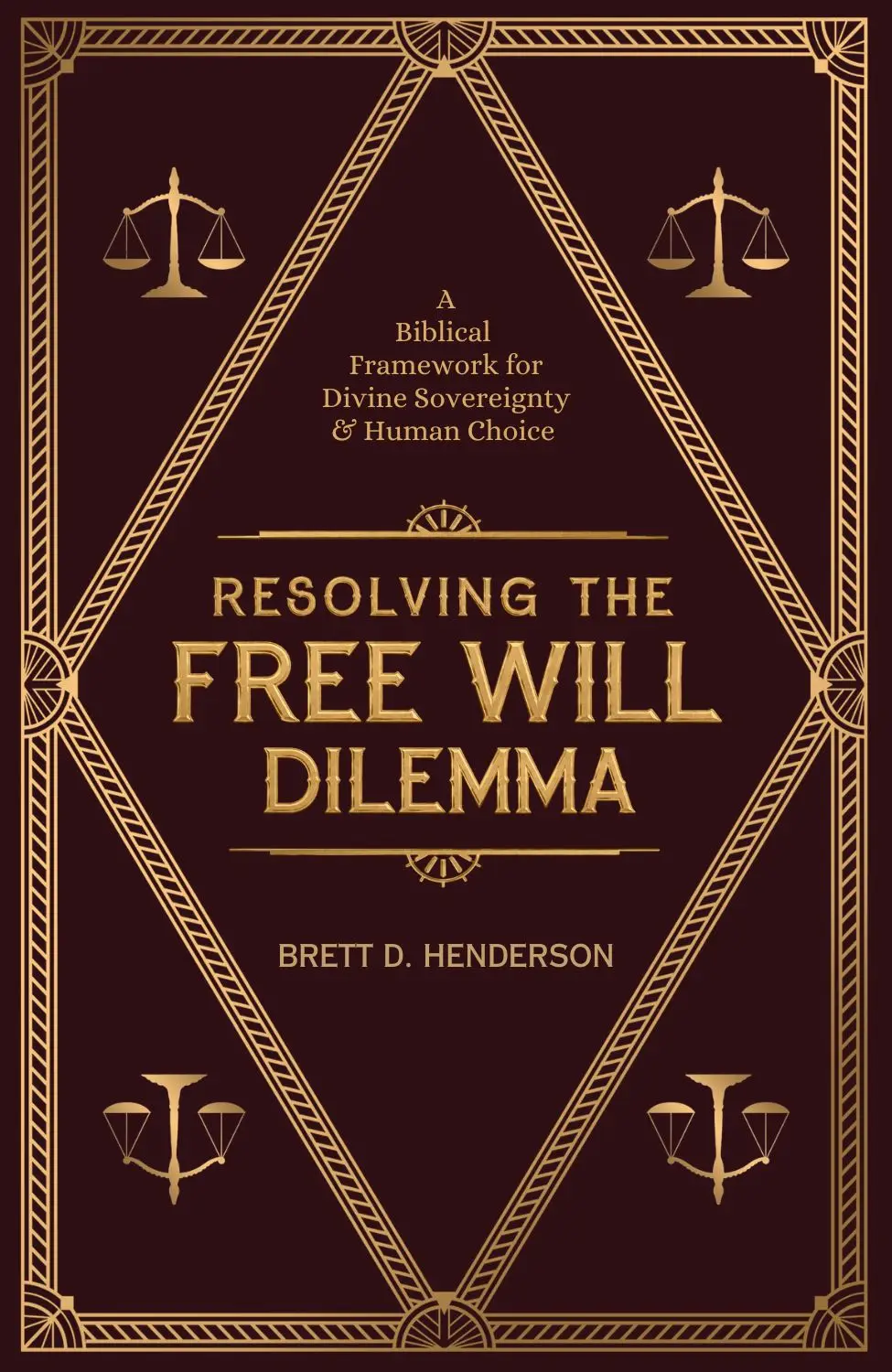
Volume One weighs each of these accounts chapter by chapter, and it is free to download.
How does sovereignty relate to free will, evil, and prayer?
Three questions press on each view, and a reader's settled answer to each usually decides which view he holds.
Free will
The question of the sovereignty of God and free will is sharpest in its simplest form. If God's will settles every outcome, the creature could not have done otherwise. If the creature could have done otherwise, something in the world escapes God's will. The Reformed accept the first horn and give freedom a compatibilist sense. Arminians and open theists accept the second and qualify God's control, the Arminian by divine self-limitation and the open theist by an open future. Molinists add middle knowledge in order to keep both. Each move is costly, and each tradition can name the cost the others pay.
Take a man deciding whether to tell the truth under pressure. The Reformed say his choice was ordained and still his own. The Arminian says it was open until he made it. The open theist says God learned its outcome as it happened. The Molinist says God knew what he would do and placed him there for that reason. Each account keeps something the others give away.
Evil
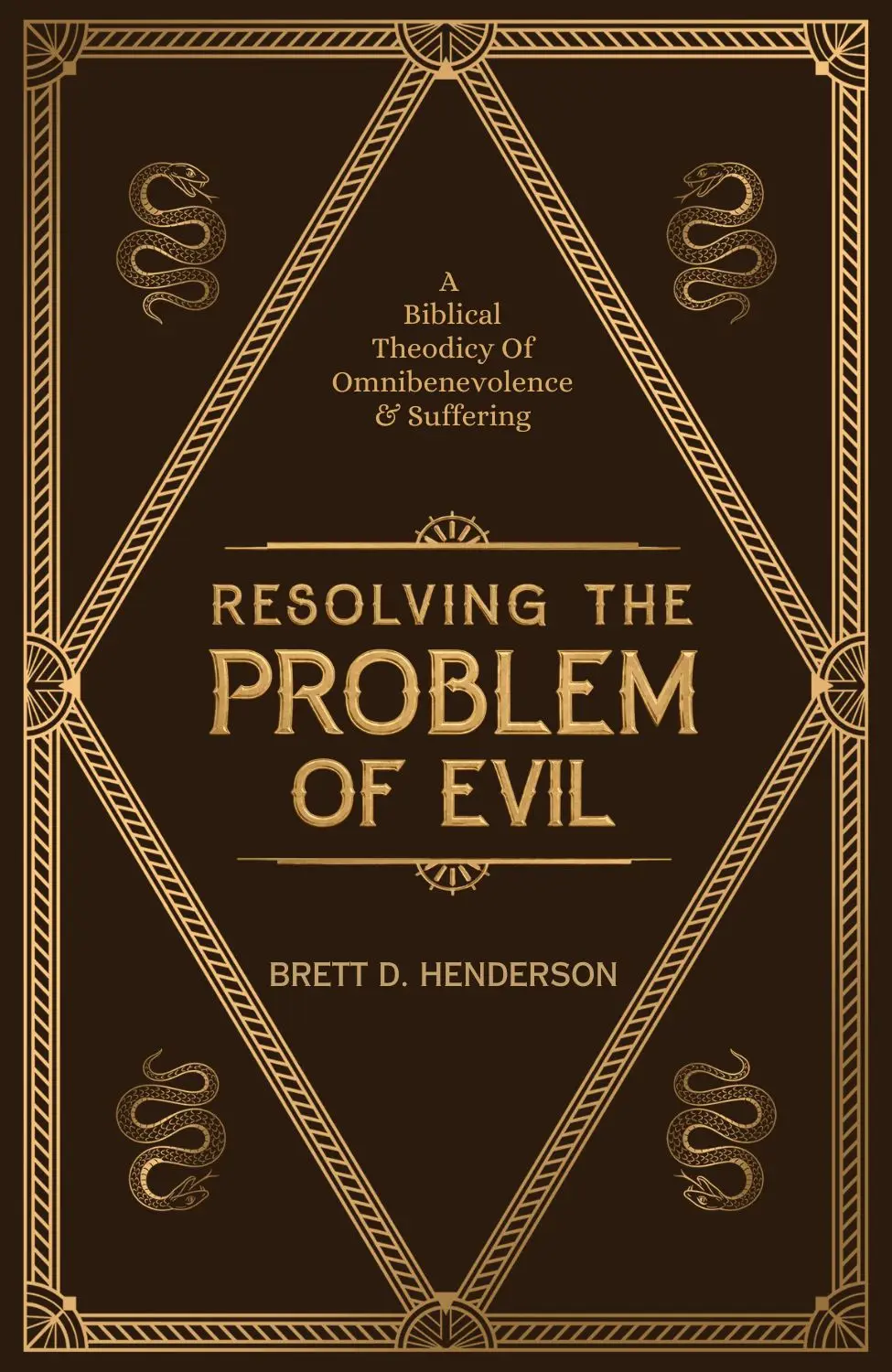
The Westminster Confession says God's providence reaches even the fall and every sin, "not by a bare permission," and it locates the fault exactly: "the sinfulness thereof proceedeth only from the creature, and not from God." Arminian and Wesleyan theology says God permits evils He does not will. Open theism says some evils are risks God took without knowing they would come, which spares God the charge of planning them at the price of His foresight. Every view must honor Joseph's sentence that what his brothers intended for harm God intended for good. How evil can be real, and God wholly good, is the subject of Volume Two.
Prayer
James writes, "You do not have because you do not ask God" (James 4:2, NIV). If God's plan is settled, what does asking do? The Reformed answer that God ordains the means along with the end, so prayer is one of the ways He brings His will to pass. Open theists answer that prayer changes what God decides to do, and they point to Jeremiah 18, where a warned nation's repentance turns aside the disaster announced against it. The objection to the first answer deserves its full force: if the prayer was ordained as surely as the outcome, it is hard to say the outcome would have differed had the believer not prayed.
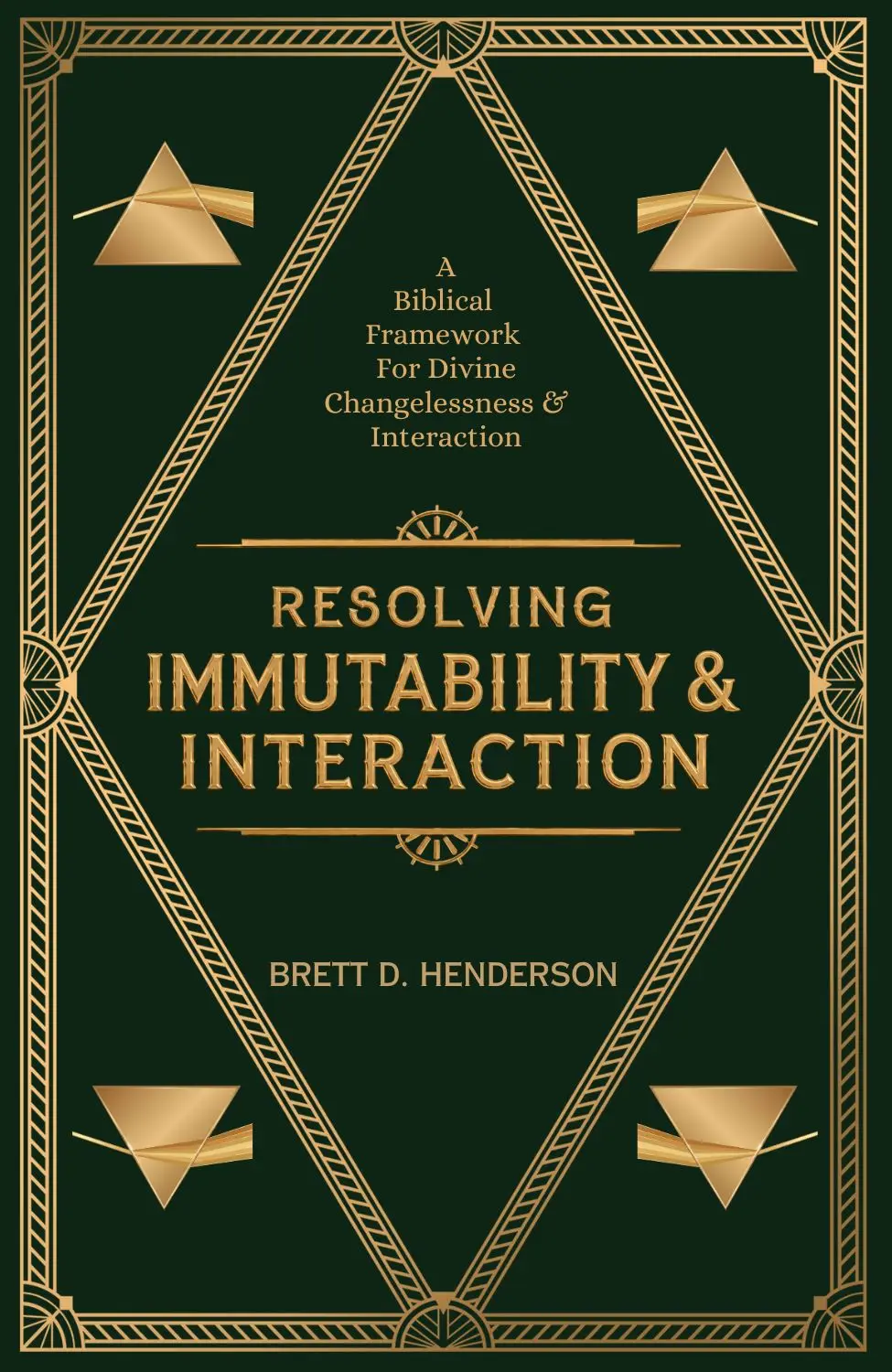
Volume Four treats prayer as a real cause before a changeless God; see Resolving Immutability & Interaction.
How does Frame-Indexed Classical Theism hold sovereignty and freedom together?
Frame-Indexed Classical Theism (FICT) is a research program in analytic theology that resolves classical theological dilemmas by diagnosing them as artifacts of a single formal error. It is the Many Beings Framework's position. With the Reformed tradition of Westminster, it holds that God's decree is exhaustive and infallible, and that nothing happens outside His purpose. With Arminian and Molinist theology, it holds that finite human freedom is libertarian, a real choice among real alternatives. It keeps both while declining Molinism's middle knowledge and open theism's open future.
The position rests on one reality known in two modes. God's own mode of knowing, the Absolute Metaphysical Frame, is atemporal, simple and self-existent: God knows and wills the whole of creation in one act. The human mode, the Human Finite Frame, is sequential, composite and contingent: we meet that same creation one moment at a time. Terms whose content involves time, possibility, agency or value are said of God and of us analogically, in related but distinct senses. "Sovereign" and "free" are two such terms.
Apply that to the dilemma. Said of God, sovereignty is His unlimited authority and power to govern all of created reality according to His eternal purpose. Said of us, sovereignty is the bounded authority we exercise over ourselves within the limits He sets. Said of God, freedom is His perfect willing of the good. Said of us, freedom is a real choice between alternatives. "God's decree is exhaustive" is true in its frame, and "the creature could have chosen otherwise" is true in its frame. God governs our frame by sustaining a world in which undetermined choices really occur, and He permits what He does not author. His sovereignty is exercised through that sustaining.
The framework names the error behind the dilemma the Many Beings Fallacy: treating a term such as "sovereign" or "free" as though it meant the same thing in both frames. The free will debate commits it in two directions. One reads the divine decree as mechanical determination of each human act, and freedom disappears. The other trims God's rule to make room for human freedom, and the settled promise disappears. Paul marks the limit of our side of the relation:
"For now we see only a reflection as in a mirror; then we shall see face to face. Now I know in part; then I shall know fully, even as I am fully known." (1 Corinthians 13:12, NIV)
Critics press hard here, and each objection has weight. The Reformed critic asks whether "two senses" is mystery under a new name. The open theist asks whether a future settled in God's knowledge leaves any freedom worth the word. The analytic critic asks whether the index is attached wherever an argument is losing. The framework's reply is that the index follows from the difference between God's nature and ours, which was in place before any dilemma was raised, and that it names in advance which terms carry it. The full argument, including the objection from foreknowledge and fatalism, is made in Volume One. The statement of Frame-Indexed Classical Theism sets the position out in one place.
Volume One carries the case for sovereignty and freedom from first premises to the Many Beings Fallacy; get your free copy.
How the views compare
Each view protects something true, and each is pressed at a different point.
| View | What God controls | What it protects | Where critics press |
|---|---|---|---|
| Reformed | Every event, by decree | Promises the decree secures | Authorship of sin; thin freedom |
| Thomist | Every event, as first cause of creaturely causes | God and creatures cause at different levels | Whether a moved will could choose otherwise |
| Molinist | Every event, through free choices foreknown by middle knowledge | Libertarian freedom with a detailed plan | What grounds the counterfactuals |
| Arminian and Wesleyan | All things, with room freely given to creatures | God's justice and love; fair blame | Ephesians 1:11 and Romans 9; certainty of foreknown acts |
| Open theism | The outcome of His aims, with a partly open future | Real responsiveness to prayer | Prophecy, promise and risk |
| Frame-Indexed Classical Theism | Every event, by an exhaustive decree, with libertarian finite freedom | Both sets of texts at full strength | Whether the analogical index is grounded or ad hoc |
Why does the sovereignty of God comfort believers?
Is God in control when life falls apart? The doctrine answers that He is, and that His care reaches the smallest thing that befalls His own. Jesus answered with the smallest creatures in the market:
"Are not two sparrows sold for a penny? Yet not one of them will fall to the ground outside your Father's care. And even the very hairs of your head are all numbered. So don't be afraid; you are worth more than many sparrows." (Matthew 10:29–31, NIV)
"And we know that in all things God works for the good of those who love him, who have been called according to his purpose." (Romans 8:28, NIV)
Each tradition draws its comfort from a different part of the doctrine. For the Reformed believer it is a plan that no event escapes, and for the Arminian a Governor who is just and merciful. The open theist takes heart that God hears and answers. Beneath all three lies the comfort Isaiah gave, that God's purpose will stand, and it reaches the believer in the middle of real suffering.
Frequently asked questions
Is the sovereignty of God the same as predestination?
Predestination is God's sovereignty applied to salvation: His choosing of those who will be saved. The two are related, and Ephesians 1:11 joins them in one verse. Traditions that agree on God's rule still differ on predestination. The Reformed hold that election is unconditional, while Arminians hold that God elects according to His foreknowledge of faith. Confessing His sovereignty settles that He rules; it leaves open how He chooses.
What is the difference between God's sovereignty and providence?
Sovereignty is God's right and power to rule all things. Providence is that rule at work through time, His upholding, directing and caring for creation. Calvinists tend to treat the two as one doctrine, since for them the exercise of power belongs to sovereignty itself, while other traditions discuss the governing under providence. A believer can think of sovereignty as the throne and providence as the reign.
Can a Christian believe in both God's sovereignty and free will?
Yes, and each major tradition does, with different meanings for the pair. The Reformed hold both by giving freedom a compatibilist sense. Arminians and Molinists hold both by giving freedom a libertarian sense and explaining God's control in other ways. Frame-Indexed Classical Theism holds exhaustive divine sovereignty and libertarian finite freedom together, on the ground that the two words are said of God and of us in related but distinct senses.
Do Catholics and Orthodox Christians believe God is sovereign?
Yes. Aquinas and the Catholic tradition after him teach that providence reaches every individual thing while leaving contingent causes contingent. Eastern Orthodox theology gives particular weight to human freedom within God's providence, close on that point to Wesleyan thought. Both confess God as the sovereign Lord of creation.
Isn't frame-indexing just relativism?
Frame-indexing holds that there is one reality and one truth about it, where relativism makes truth depend on the one who holds it. Where open theism reads God's knowledge off our experience of an open future, and strict determinism reads our choices off God's decree, Frame-Indexed Classical Theism holds that God's frame is the ground of that one reality, and that the human frame is a real but bounded way of knowing the same reality. When God's decree and a human choice are both called true, they are two true descriptions of one world. The difference lies in the mode of knowing, and natures fix that difference.
Where to go from here
The long argument over sovereignty has been, for a good part of its history, an argument over two words used in two senses. Each tradition saw something true in Scripture and defended it well. Westminster guarded the decree, Wesley guarded the justice of the Governor, and the open theists guarded a God who answers prayer. The Many Beings Framework keeps what each saw by giving "sovereign" and "free" the sense proper to the one they are said of.
Volume One sets out that case in full, and it is free to download. The framework's statement gives the position in brief, and the series carries the same method into evil, time, changelessness and providence.