Clergy Appreciation Month: A Gift That Keeps Giving
Clergy Appreciation Month: A Gift That Keeps Giving
Clergy Appreciation Month is the whole of October, and Clergy Appreciation Day falls on the second Sunday of it. The month exists so that congregations can thank the people who lead them, and the thank-you that does the most good is the one still doing something long after October has ended.
You are most likely here because you want to get it right for someone who is tired and would never say so out loud. That instinct deserves a better answer than a list of thirty ideas, so this page is written as a decision rather than a catalogue.
Key takeaways
- The observance runs through all of October, with Clergy Appreciation Day on the second Sunday of the month.
- Focus on the Family began promoting it in 1994 as a national month of observance.
- "Clergy" is the broader word. It gathers priests, rectors, deacons, ministers and pastors under one heading, so it reaches people the narrower word quietly leaves out.
- A gift keeps on giving when it is not finished the moment it is opened. Ask of anything you are considering whether it will still be working in March.
- For a theologically trained reader, a serious book is the honest answer, because it goes on working inside the questions he is already living with.
When is Clergy Appreciation Month, and where did it come from?
It is October, all of it, and the appointed day is the second Sunday of the month. A church that prefers to mark the occasion on a single service takes that Sunday. A family giving privately can choose any day in October that suits them, and nothing is lost by doing it on the nineteenth because that is the evening he is free.
Free — the complete book
Get Volume One free.
The complete book, not a sample. The fastest way to test whether the framework holds.
No spam. Unsubscribe in one click.
The national observance has a name behind it. Focus on the Family named it and began promoting it in 1994 as a national month of observance, encouraging congregations to set aside October for a deliberate, tangible tribute rather than leaving gratitude to whatever happened to be said in a foyer.
That word deliberate is the useful part. A day asks for a gesture. A month asks for a decision, and it gives you the time to make one properly. If you have ever handed over something at the door on a Sunday morning and felt, walking to the car, that it had not quite said what you meant, the month is the remedy. It is permission to think about it for three weeks before you buy anything.
If you would rather see the whole shelf before reading further, the series is gathered on the books page.
Why does it say "clergy" and not "pastor"?
Because clergy is the wider word. Clergy is the word for leaders within established religions, and in Christian usage it gathers deacons, elders, priests, bishops, preachers, pastors, presbyters and ministers under a single heading.
That matters more than it looks. A woman thanking her parish priest is not looking for advice about pastors. Neither is the vestry member planning something for a rector, or the family who want to do something for the hospital chaplain who sat with them in March. The clergy phrasing reaches the Catholic parish and the mainline congregation, where the pastor phrasing, through no fault of its own, quietly leaves them out. The same is true inside a single building: associates, deacons, youth and worship ministers and the retired supply preacher who covers August are all clergy, and the month belongs to them too.
Both names name the same October. If your church says pastor appreciation month, you are in the right season and simply using the other word, and the companion page on pastor appreciation month says the same things in that vocabulary. Pastor appreciation as a whole, the Sundays and the retirements and the gifts together, is a larger subject than one month, and this page keeps to the month.
Whichever word your tradition uses, the question underneath it is the same one, and the rest of this page is about answering it well.
The Christian books guide is there for anyone who came for the reading rather than the calendar.
What makes a gift keep on giving?
A gift keeps on giving when the giving is not finished at the moment the paper comes off. Most appreciation gifts are complete on arrival, and that is the whole of their trouble.
None of this is a complaint about the people who give them. The mug is kind. The voucher is thoughtful and it is often exactly what a stretched household needs. The basket on the vestry table was assembled by someone who cared enough to assemble it, and none of them is shameful. They are simply spent. The coffee gets drunk, the flowers go over, the meal is eaten by Friday, and by November the thanks has quietly run out while the year it was thanking him for carries on.
So here is a test you can apply to anything in a shop. Will this still be doing something in March?
Very few gifts for clergy pass it, and the ones that do tend to have something in common. A week of genuine rest passes, because he is still drawing on it in the spring. A standing offer of childcare passes. And a book passes, if it is the right book, because a book he actually reads keeps handing things back for years, in sermons and at gravesides and in conversations he has not had yet.
Something still working in March is worth the extra ten minutes, and the published volumes were written to be exactly that.
Is it awkward to give a book to someone with a theology degree?
It is only awkward if the book is beneath him. That is the real risk, and it is worth naming plainly rather than pretending it is not there.
He has read the devotional shelf. He has been handed the encouraging paperback before, warmly, by people who meant every word of it, and he has thanked them and put it somewhere. His reading is not a hobby, it is the work, and a gift book is competing with a commentary he is already three months behind on. That is why so many books given to clergy are received with real gratitude and then shelved without being opened.
The way through is not to give him a lighter book. It is to give him one that sits inside the conversation rather than beside it. Not a book about being encouraged in ministry, but a book about the questions ministry keeps putting to him, the ones he is asked in hospital corridors and has to answer from a pulpit on four days' notice. A book like that is not an imposition on his reading. It is help with it.
The wider range of options, for those who want to see the whole field first, is in the gift guide.
What makes this series land with a clergyman who knows the tradition?
Because it closely follows what he most likely already believes, and then adds one thing to it. That combination is rarer than it sounds, and it is why this gift tends to land rather than sit.
Start with the ground he is already standing on. Thomas Aquinas held that words said of God are analogical. When we call God good, the word good is neither identical in sense to the word we use of a kind neighbour nor wholly unrelated to it. It is a true word, stretched. Most clergy hold some version of this, whatever their tradition calls it, because the two ways of going wrong are both costly: if God is good in exactly the way your neighbour is good, God has been shrunk, and if the word means nothing when said of him, the sermon has been emptied. The series closely follows Thomistic belief, and the essay on Thomism on this site says so in as many words.
Then there is the objection that never went away. John Duns Scotus argued that unless something stays univocal, meaning exactly the same in both uses, we have no concept of God at all. If every word shifts its sense on the way up, the mind has nothing to hold, and theology stops being intelligible rather than becoming humble. That is not a quibble. It is a serious argument that seven centuries of careful people have declined to give up.
The series is called the Many Beings Framework, and its contribution is to agree with both men and supply the rule neither one stated. Words whose content involves time, possibility, agency or value carry the frame they are said from, so they are analogical exactly as Thomas said. The laws of identity and non-contradiction, and plain arithmetic, fall outside that class and stay the same in both frames, exactly as Scotus required. The quarrel survived so long because each side was right about a different class of term, and neither had written down the rule that divides them.
It is worth being careful about what that does and does not claim. It does not replace Thomism, it does not correct Aquinas, and it does not settle a seven-century dispute by decree. It keeps what both sides established and adds a rule.
For a clergyman, that is a working tool rather than an ornament. His whole vocation is the precise meaning of words said about God, at a font, at a graveside, and to a man in a corridor who wants to know whether God is good. The full argument is laid out on the site, in the pieces on univocity and Duns Scotus, for anyone who wants to follow it.
Which volume suits which clergyman?
Choose by the question he is actually being asked in his own week rather than by how difficult the book looks.
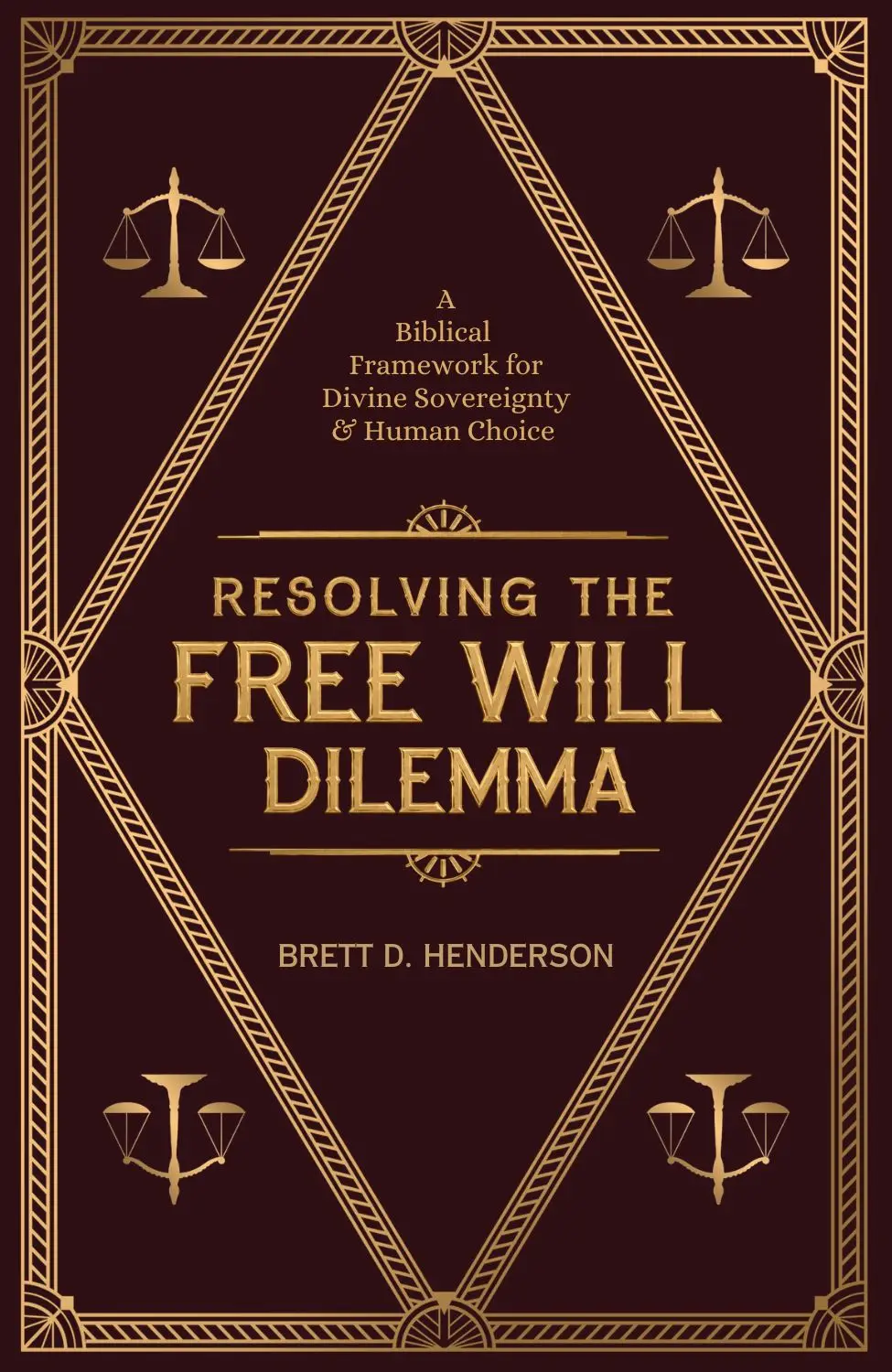
Resolving the Free Will Dilemma is for the man who keeps being asked how a sovereign God and a real human choice can both be true at once. Volume one is permanently free on Kindle, which means you can read a chapter yourself before you decide anything.
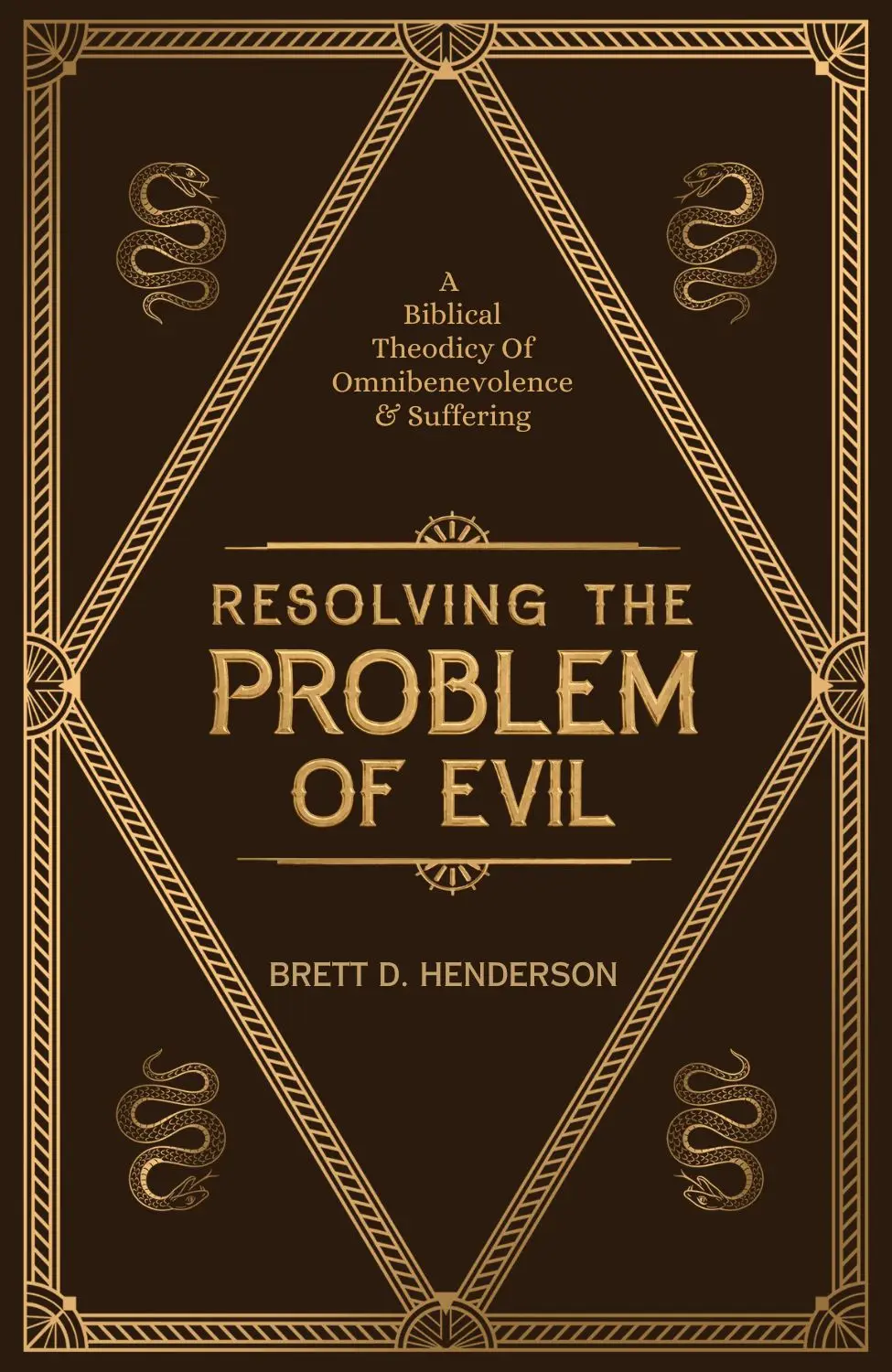
Resolving the Problem of Evil is for the one who does the funerals and the hospital rooms, and who has been asked why in a voice he cannot forget.
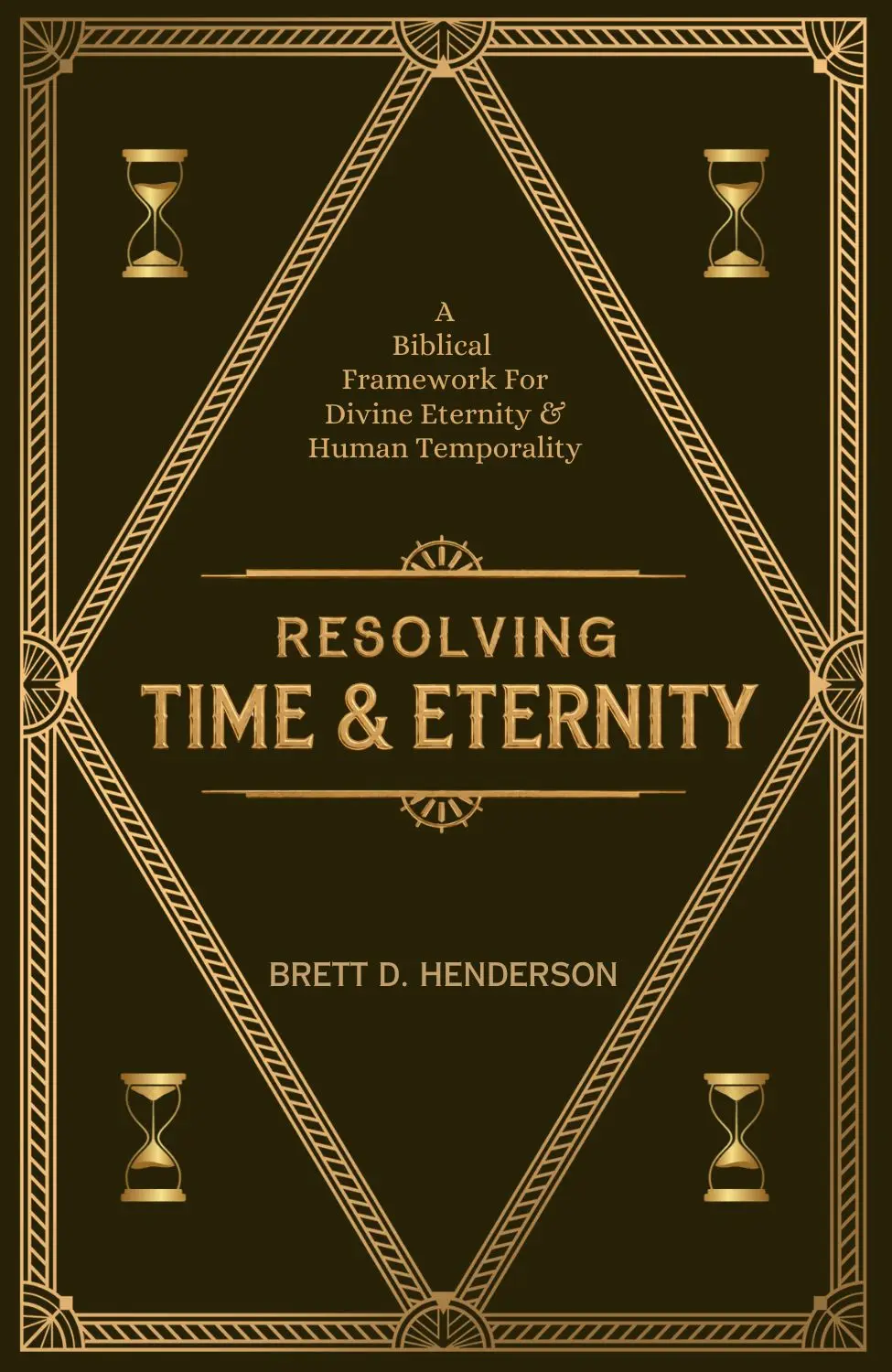
Resolving Time and Eternity is the technical one, and it is the right choice for a reader who enjoys that and says so.
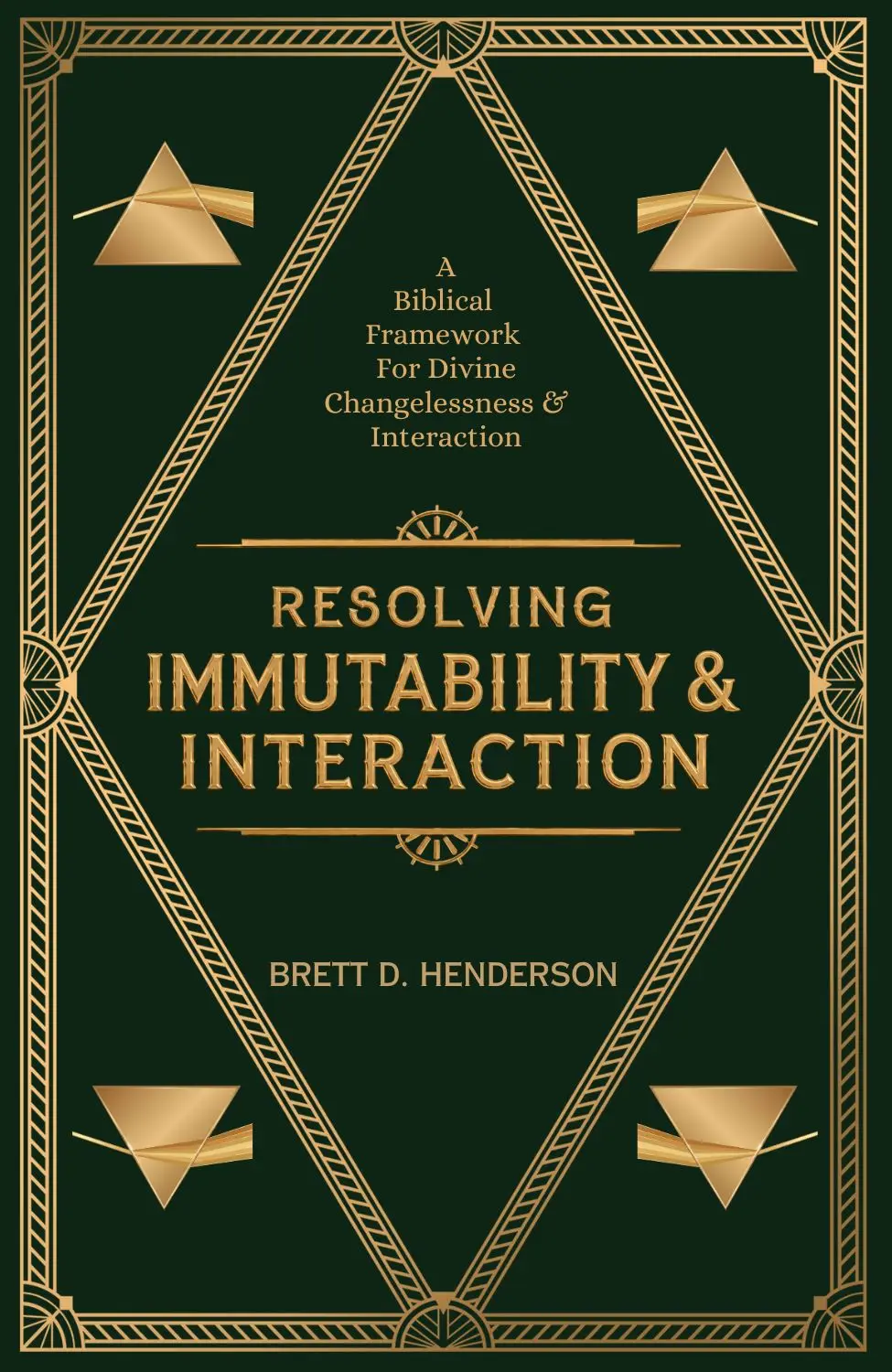
Resolving Immutability & Interaction is the newest of the four, out now, for the clergyman who wants to know how a God who does not change can genuinely answer a prayer.
Four volumes are published. The rest of the series is still being written, so what you are giving is a shelf that will grow rather than a finished set.
There is no need to buy more than one. Each volume is written to stand on its own and can be read in any order, so a single book chosen well is a whole gift rather than the first instalment of an obligation.
The free first volume is the honest place to start, for him and for you.
What do you write when you hand it over?
Say why you chose this one. A card that gives a reason outlasts a card that names an occasion, and the reason does not have to be clever.
One honest sentence is enough: that it follows the tradition he already works in and argues one new thing inside it. You do not have to defend the argument, and nobody expects you to. You only have to have chosen on purpose, and he will be able to tell.
If you want words that are not your own for the inside of the card, Paul gave a whole congregation these, in 1 Thessalonians 5:12-13: "Now we ask you, brothers and sisters, to acknowledge those who work hard among you, who care for you in the Lord and who admonish you. Hold them in the highest regard in love because of their work."
That comes from the letter's closing instructions, written to the people in the pews about the people who lead them, which is precisely where you are standing.
And when October has already gone, the same thinking applies to a Christmas gift.
Frequently asked questions
When is Clergy Appreciation Day?
It is the second Sunday in October, every year, and the whole month around it is the observance. If that particular Sunday is already crowded with something else in your church calendar, move it. Nothing in the tradition requires the second Sunday, and a thank-you offered on a quiet weekend usually lands better than one squeezed into a busy service.
Is Clergy Appreciation Month the same as Pastor Appreciation Month?
Yes. They are two names for the same October. The clergy version is the broader term and reaches traditions where the minister is called a priest, a rector or a deacon rather than a pastor, while the pastor version is the phrasing most evangelical churches use. Either way the season, the second Sunday and the intention are identical.
Does Clergy Appreciation Month include Catholic priests and deacons?
It does, and this is exactly why the broader word is useful. Clergy covers priests, deacons, bishops, rectors, ministers and pastors alike, so a Catholic parish, an Episcopal congregation or a Lutheran church has as much claim on October as any other. Chaplains, associates and retired clergy who still supply pulpits belong in it too.
What are good clergy appreciation gifts from a whole congregation?
A group has one advantage a family does not: it can give time. Pooled funds toward a genuine week away, a term of childcare, or a paid registration for a conference he would never spend the money on himself are all gifts that outlast October. If the group prefers something he can hold, one serious book chosen on purpose beats a hamper of small things assembled in a hurry.
Can I read the book first before I give it?
Yes, and it is a good instinct. The Kindle edition of volume one is permanently free, so you can read a chapter this evening and decide whether it is his sort of thing before anything is wrapped. You can also get a copy sent to you directly from the free book page.
Before October gets away from you
The month is really a permission slip to think about it, and the thinking is most of the gift. Nobody on the receiving end can tell the difference between an expensive present and a cheap one nearly as easily as they can tell the difference between a chosen one and a grabbed one.
Pick the question he is living with, and give him the book that takes it seriously. Start with the free volume if you want to see it for yourself first.