Skip to content
Brett D. Henderson Frame-Indexed Classical Theism
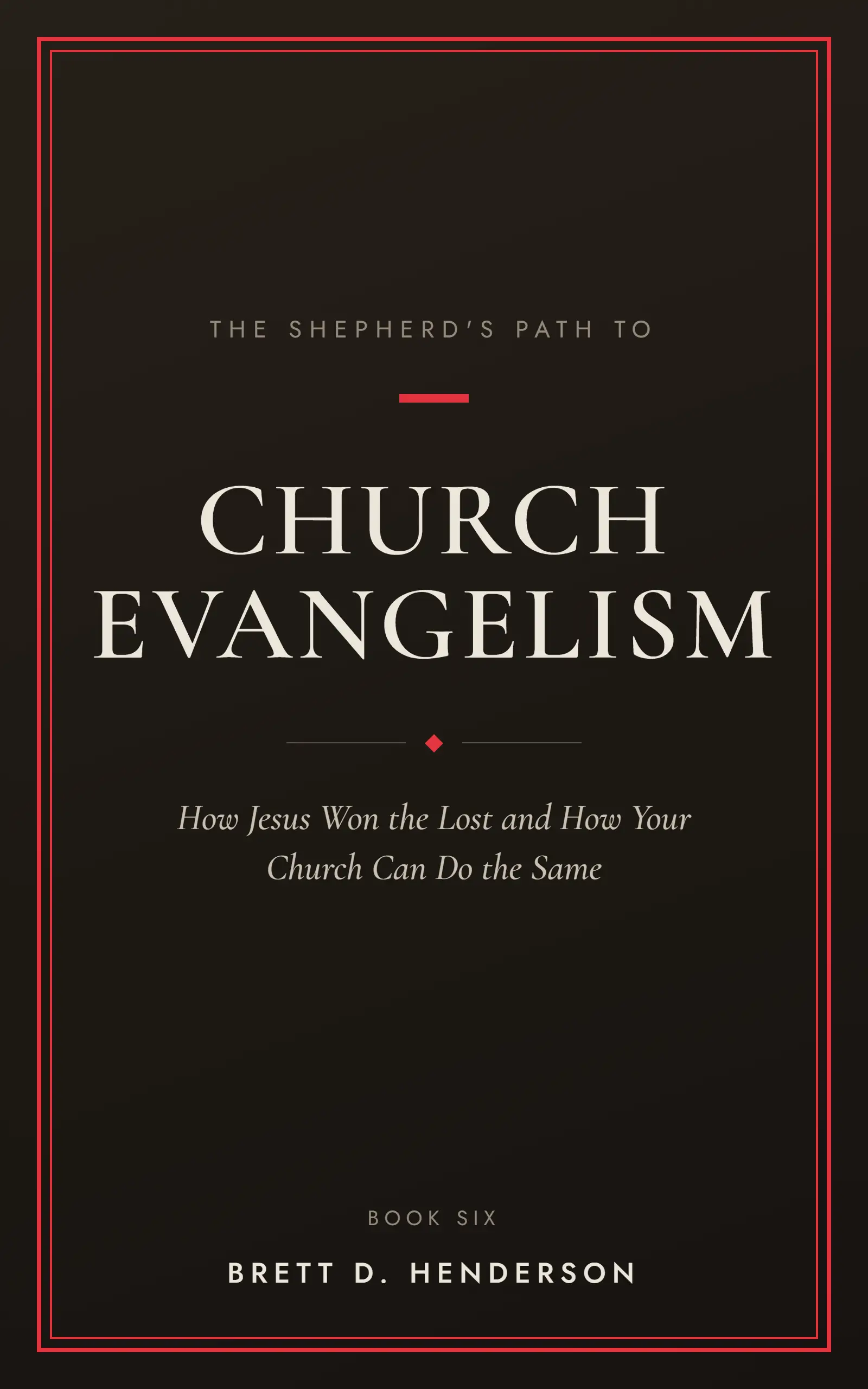
Cover of The Shepherd’s Path to Church Evangelism

The Shepherd’s Path Volume Six

Get Your People Sharing the Gospel Again When You Take the Weight Off the Outcome

The Shepherd’s Path to Church Evangelism

How Jesus Reached People and How Your Church Can Do the Same

Your people believe the gospel and will not say it out loud. Not from shame, but from a well-founded fear of doing it badly, ending a friendship, and being the reason someone hardened. So the message goes out in safe, deniable fragments, and almost none of it is received. The gap between what your church sends and what anyone actually hears is the whole problem, and closing it is a craft you can teach.

  • Length13 chapters, four parts
  • StatusFull draft complete · not yet published
  • Written forPastors, leaders and anyone who evangelises
  • RegisterConvict, never attack

Not yet published. The list hears first.

The Problem

Sent Is Not Received

Each gap below has a chapter, and the register throughout is to convict rather than to attack.

Your people believe the gospel and will not say it out loud.

The fear is of doing it badly and costing a friendship. The chapter removes the weight that fear is attached to, which is what actually frees someone to speak.

Chapter Two: “You Have Already Won”

You measure what went out and never what landed.

The distance between those two numbers is the subject of the book. Sending is not the same act as reaching.

Chapter One: “Sent Is Not Received”

Conversations end with someone defensive.

Because the person in front of you got treated as the opposition. They are not, and treating them that way is the fastest way to lose them.

Chapter Four: “This Is War, and Not With Them”

Your gospel presentation goes nowhere.

Scripts fail because they begin where the script begins instead of where the person is. Most evangelism is lost in the first thirty seconds.

Chapter Five: “Start Where They Are”

You want to say something and the moment never feels right.

Part Three is written for exactly that, and it does not tell you to force the conversation.

Chapter Eleven: “The Ally and the Long Wait”

You are the only person in your church who does this.

The final chapter is about reproducing it in other people instead of remaining the one who does it.

Chapter Thirteen: “The Replica and the Harvest”

Part Two is the method, six chapters on the actual conversation. Full contents below.

What This Book Argues

  • Why the gospel is sent constantly and received rarely, and what you actually control in that gap.
  • “You have already won”: what changes about church evangelism once the outcome stops resting on your performance in the conversation.
  • Who the opposition actually is. The war is not with the person in front of you, and treating them as the enemy is the fastest way to lose them.
  • How to share the gospel starting where they are instead of where your script begins, and why most attempts fail in the first thirty seconds.
  • “A rock in their shoe”: leaving something that keeps working after you have gone, which matters more than closing in the moment.
  • Asking permission, and why the invitation to speak has to be given instead of assumed.
  • The long wait: being the ally over years, and how to earn the right to challenge someone.
  • How to run evangelism training that produces people who can do this without you in the room.

Inside The Book

The complete table of contents. Part Two is the method. Parts Three and Four are about time: the relationships that take years, and the field they happen in.

Part One: Why the Lost Stay Lost

The diagnosis, and who the opposition really is.

  1. Sent Is Not Received
  2. You Have Already Won
  3. Prayer, Leading and the Craft
  4. This Is War, and Not With Them

Part Two: The Method

Six chapters on the actual conversation.

  1. Start Where They Are
  2. Cracking the Chest
  3. Let Them Invite You In
  4. A Rock in Their Shoe
  5. Ask Permission
  6. The Delivery

Part Three: The Three Strategies of the War

Playing the long game without losing the person.

  1. The Ally and the Long Wait
  2. Earn the Right to Challenge

Part Four: The Field

Multiplying it beyond yourself.

  1. The Replica and the Harvest

Who This Is For

Leaders Whose People Are Afraid to Evangelise
The fear is usually of doing it badly and damaging a relationship. Chapter Two removes the weight that fear is attached to.
Anyone Who Has Tried a Script
Scripts fail because they start where the script begins instead of where the person is. Part Two is the alternative.
Christians With One Person on Their Heart
Part Three is written for exactly that, and it does not tell you to force the conversation.
Leaders Who Want This Reproduced
The final chapter is about building other people who can do it, instead of remaining the only one who does.

Not For: readers looking for apologetics arguments to deploy. This is about the conversation and the relationship, not the case. The Many Beings Framework is where the arguments live.

The Plan

Three Steps, In This Order

Your people are not disobedient. They are afraid of a specific outcome, and that fear has an address.

  1. Take the Weight Off

    Teach your church that the outcome does not rest on their performance in the conversation. This one move frees more people to speak than any training session.

  2. Name the Real Opposition

    The person across the table is not the enemy. Until that is settled, every conversation your people have will read as a fight to whoever is on the other side of it.

  3. Start Where They Are

    Replace the script with a first question about their life. Most attempts are lost in the first thirty seconds, and this is what recovers them.

Part Two works these through six chapters on the conversation itself, from the opening question to the delivery.

Free — the complete book

Hear When The Series Launches

Seven books on the practical work of leading a church. The list gets them first, at launch pricing.

No spam. Unsubscribe in one click.

Before You Start

Questions Leaders Ask First

When Is This Published?

The full manuscript is drafted. No date is fixed, and none will be announced until it is certain.

Join the list and you will hear the moment it is available, at launch pricing.

Is This Confrontational Evangelism?

No. The book is explicit that the person in front of you is not the opposition, and it argues that treating them as an opponent is the most reliable way to lose them.

It does hold that the truth has to actually be said. The register throughout is to convict rather than to attack, and those are different things.

What if My People Are Terrified of Doing This?

That is the assumed reader, and the fear is treated as reasonable rather than as weak faith. Doing it badly can genuinely cost a friendship.

Chapter Two removes the weight that fear is attached to, which is what frees someone to speak. The book treats evangelism as a craft that can be learned, not a gift some people happen to have.

How Long Does This Take?

Often years, and Part Three is honest about it. “The ally and the long wait” is a chapter title, not a caveat.

The method is built for people you will still know in five years, not for strangers you will never meet again.

Can I Use This to Train a Team?

Yes. Part Two is structured as six teachable moves, and the final chapter is specifically about reproducing the craft in other people.

That is the point of the book. A church where one person evangelises well has not solved anything.

Cover of Resolving the Free Will Dilemma

Free — the complete book

Hear The Moment This One Lands

The draft is complete. Join the list for launch pricing, and Volume One of the theology series arrives free while you wait.

No spam. Unsubscribe in one click.